
Meta description: Natural potency restoration starts with understanding your triggers, easing performance pressure, and seeking the right support. Explore five practical steps.
When your body does not respond as you hope, it is easy to turn an intimate moment into a test: Will it happen this time? Can I keep going? What if I disappoint my partner? That pressure can pull your attention away from connection and make confidence harder to access.
I’m Martina Somorjai, Award-Winning Potencyologist® with 10 years of experience. In my work, I encourage men to look at the whole picture rather than assume there is one simple explanation. Psychological stress, learned patterns, relationship dynamics, lifestyle, and physical health can all matter. A difficulty that feels psychological still deserves medical attention when it is persistent or new.
Natural potency restoration is not about forcing a particular response. It is about understanding what may be contributing, reducing avoidable pressure, and building a thoughtful path forward. These five steps are educational, not a diagnosis or a guarantee of results.
1. Notice the pattern without turning it into a test
Start by observing when the difficulty happens. Is it occasional or consistent? Does it vary with stress, sleep, alcohol, a particular setting, or how much pressure you feel? Is it different when you are alone than with a partner?
The point is not to monitor every moment or grade your performance. That can intensify the very pressure you want to reduce. Instead, make a few neutral notes after the fact. A short record can help you spot patterns and explain them to a healthcare professional.
If you notice that worry rises before intimacy, that is useful information, not proof that the issue is “all in your head.” Psychological and physical contributors can overlap. Research reviews describe how anxiety and self-monitoring may disrupt arousal, while also emphasizing the need to consider the whole context. See this psychosocial position paper.
2. Take recurring or new difficulties seriously
Mindset work can be valuable, but it should not replace appropriate medical evaluation. Persistent or sudden changes in firmness can have physical contributors, and a qualified clinician can assess your health, medications, and individual risk factors. Do not stop prescribed medication on your own or delay care because you suspect anxiety is involved.
This is especially important if the change is new, happens in every setting, or comes with pain, other health changes, or concerns about your general wellbeing. A clinician can help determine what evaluation makes sense for you. For more information about the program’s limits, read the Medical Disclaimer.
3. Lower the pressure in intimate moments
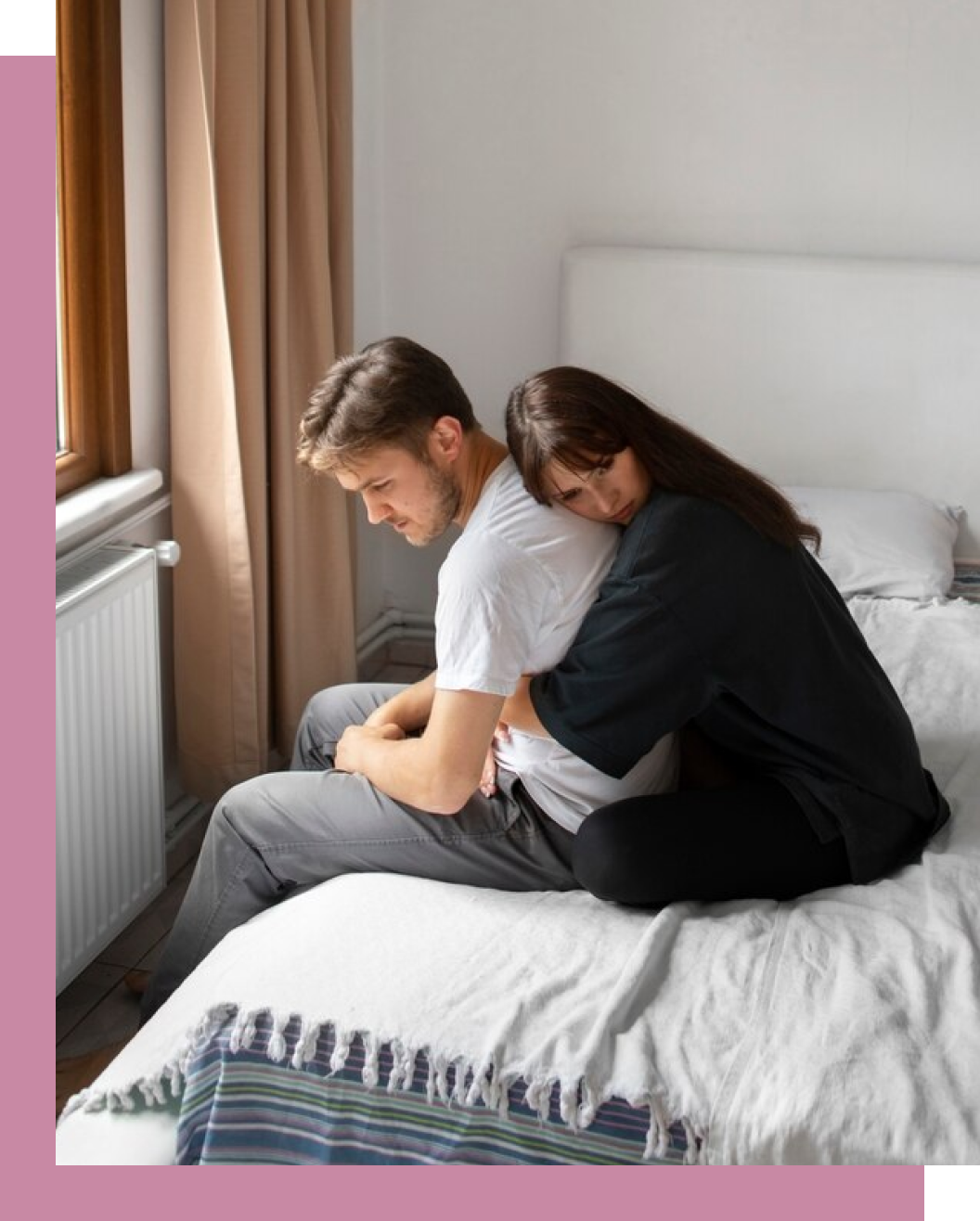
When every moment becomes a check on firmness or duration, attention can shift away from closeness and pleasurable sensations. Try changing the goal: make room for affection and connection without treating a specific physical response as the measure of success.
Slow breathing may help you settle your attention. You might breathe out gently for a little longer than you breathe in, then focus on what feels comfortable and enjoyable. If you are with a partner, a simple conversation outside the moment can help: explain that you want to take the pressure off and stay connected rather than rush toward a result.
Concern about climaxing sooner than you would like can create a similar cycle: anticipation leads to rushing, and rushing can increase worry. Slowing down, communicating, and noticing changes in your level of excitement may help you respond more calmly. If the concern persists or causes distress, discuss it with a qualified clinician or appropriately trained professional.
Psychological approaches are one area of study, but they are not a universal fix. A systematic review of psychological interventions found promising results while noting limitations in the available research. Individual needs and outcomes vary.
4. Review habits with curiosity, not blame
Sleep, stress, movement, alcohol, and other daily habits can affect how you feel and respond. Make manageable changes rather than adopting a punishing routine: improve sleep consistency where possible, build regular movement into your week, and notice whether alcohol or stress seems to affect your confidence.
If screen-based, high-stimulation material feels difficult to control or seems connected to changes in partnered arousal, you could consider a time-limited change and observe how you feel. The evidence does not establish that such material causes difficulties for everyone, or that abstinence guarantees recovery. Avoid rigid rules and repeated “testing.” If a habit feels compulsive or distressing, consider discussing it with a qualified professional.
A balanced approach leaves room for more than one explanation. Do not conclude that a habit is the sole cause simply because it overlaps with the timing of a change.
5. Choose support that fits your needs
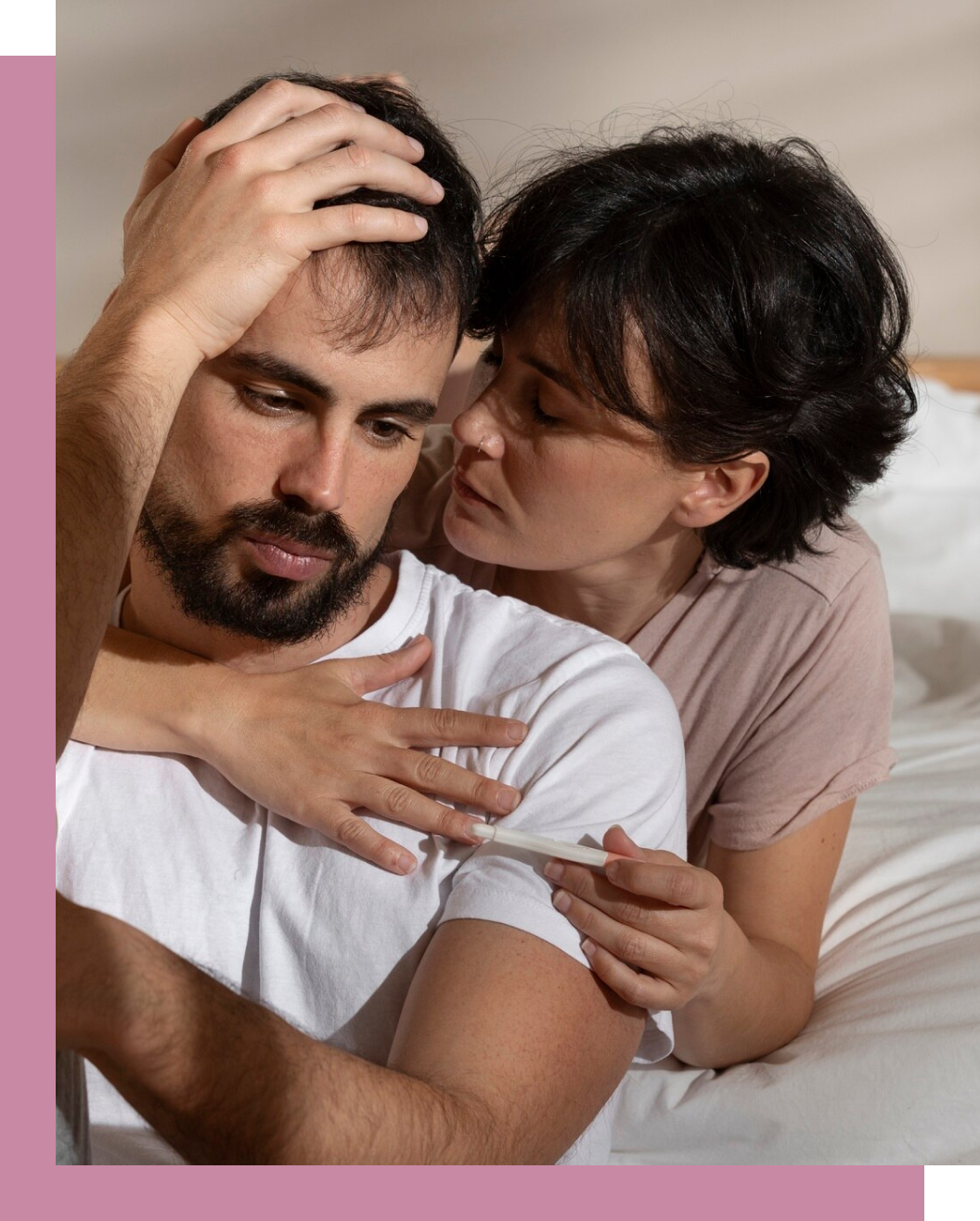
A useful next step may be a conversation with a healthcare professional, a trusted partner, or a qualified coach or therapist. Keep the aim realistic: understand the contributing factors and build confidence gradually, rather than demand a fixed timeline or guaranteed outcome.
The PoP Potency Program is a 30-day, 100% online, private self-help program designed to support men working on confidence and intimate performance without pills or medication. Its materials include:
| Item name | Size | Short description |
|---|---|---|
| Guided therapy content | 12 hours | Educational content focused on intimacy and performance |
| VIP Club Forum | Included | A private forum for program participants |
| Exclusive workbook | Included | Structured exercises and reflection prompts |
| PoP Potency Questionnaire | Online questionnaire | A starting point for reflecting on your situation and possible next steps |
The program is educational and self-help support, not medical care. It does not diagnose or treat health conditions, and results are not guaranteed. If you have ongoing or new difficulties, consult a qualified healthcare provider. Learn more at mypopprogram.com.
Frequently asked questions
Can performance anxiety affect firmness?
Yes, anxiety and self-monitoring may interfere with arousal for some people. That does not establish a psychological cause in an individual case, so recurring concerns should be discussed with a qualified clinician.
Can I improve stamina naturally?
Reducing pressure, slowing down, communicating with a partner, and noticing changes in arousal may help some people feel more in control. There is no guaranteed technique or timeline. If the concern persists, seek qualified guidance.
Does a change in digital habits guarantee recovery?
No. Experiences vary, and current evidence does not support a guaranteed result or a single explanation for everyone. If a habit troubles you, you can reflect on it without blame and seek support if needed.
Take a thoughtful first step
For a clearer starting point, explore my self-help books and begin with the PoP Potency Questionnaire. You can also reach me on WhatsApp at +44 7749 122261.

About Martina Somorjai: I am an Award-Winning Potencyologist® with 10 years of experience supporting men with confidence and intimate performance concerns. My work is educational and self-help oriented; I am not a medical doctor. This article is for general information and is not a substitute for professional medical advice, diagnosis, or care.