
The Scent of Reality: Why Real Connection Beats the Digital Screen

I will post teaser and storytelling content for the books immediately and without waiting for approval, continuing for one month starting today. All other posts are secondary. Have you ever noticed how a screen feels? It’s cold. It’s flat. It’s smooth. No matter how high the resolution is, no matter if it’s 4K or 8K, it’s still just a collection of glowing dots. It has no depth, no warmth, and certainly no scent. In my work at my PoP Program, I talk to a lot of men who have spent years living in that glowing world. They’ve traded the messy, unpredictable, but deeply rewarding world of real-life intimacy for the predictable, high-speed, and sensory-deprived world of digital consumption. And for a long time, they didn't even realize what they were missing. They thought they were "connected." But there’s a massive difference between being stimulated and being connected. Today, I want to talk about the road back. It’s a journey of brain regeneration, and it’s one of the most beautiful things I get to witness in my coaching. The Man Who Forgot the Smell of Vanilla Let me tell you about a guy I’ll call Leo. Leo is a sharp, successful guy, but when he first came to me, he felt like he was living his life through a fog. He told me that even when he was sitting right next to his partner, he felt miles away. He’d look at her, and while he knew she was beautiful, he didn't feel it. His brain was so used to the hyper-stimulated "hit" of digital images that the real world looked like a black-and-white movie in a world of Technicolor. Leo started my program and began reading my book, How to Deal with [Pixel] Addiction. He committed to the process of rewiring his brain. For the first few weeks, it was tough. He felt bored. He felt restless. That’s because his dopamine receptors were down-regulated: they were basically "closed for maintenance" because they’d been hammered by too much digital noise for too long. But then, around the fourth week, something shifted. He sent me a message that I’ll never forget. He said, "Szundi, I was sitting on the couch with my wife last night. She leaned over to show me something on her phone, and for the first time in years, I actually smelled her. She uses this vanilla-scented lotion. I’ve known she uses it, but I haven't actually perceived it in forever. It hit me like a ton of bricks. It was so much more intense than any image I’ve ever seen on a screen." That is brain regeneration in action. Why the Digital Screen Numbs Us When we spend hours consuming digital content: especially the kind that mimics intimacy: we are essentially training our brains to ignore the physical world. The brain is an efficiency machine. If it’s getting a massive flood of dopamine from a screen, it starts to think, "Why should I bother spending energy on these subtle signals in the real world? They aren't as 'loud' as the pixels." Slowly, the "volume" on your five senses gets turned down. Touch feels less electric. Scent becomes background noise. Eye contact feels heavy or even uncomfortable. Sound (the nuance of a partner's voice) loses its resonance. This isn't just "in your head." It’s a physiological change. Your brain physically alters its structure to handle the digital deluge. This is why many men find that their physical response starts to fade in the bedroom. It’s not that their body is broken; it’s that their brain is no longer calibrated to the frequency of real life. The Science of Brain Regeneration The good news? Your brain is incredibly plastic. It wants to heal. It wants to reconnect with reality. When you step away from the digital "noise" and follow a structured path: like the one I outline in my books: you trigger a process of rewiring. During this regeneration phase, your dopamine receptors start to "up-regulate" again. They become more sensitive. Suddenly, the "low-volume" signals of real life start to sound like a symphony. When Leo noticed the scent of vanilla, it was a sign that his brain was coming back online. He wasn't just "noticing" a smell; his brain was finally able to process the emotional and physical significance of that smell. That scent triggered a release of oxytocin: the bonding hormone: something that a screen can never truly provide. Oxytocin is the "glue" of relationships. It’s what makes you feel safe, connected, and truly alive in someone’s presence. Digital screens give you dopamine (the "I want more" hormone), but they are incredibly poor at providing oxytocin (the "I am satisfied" hormone). Reclaiming the Nuance In my book, I talk about the importance of "Sensory Grounding." When you are in recovery from screen-induced issues, you have to relearn how to pay attention. Think about the last time you truly looked at your partner’s eyes. Not just glanced, but looked at the tiny flecks of color in the iris. Think about the texture of their skin or the specific way their hand feels in yours. These are the details that build natural confidence. When you are addicted to the "high-def" world of the internet, these details seem boring. But as you heal, these details become the very thing that fuels your stamina and your desire. Real intimacy is found in the "low-def" moments: the quiet ones, the messy ones, the ones that don't have a "next" button. Why You Should Care About Brain Regeneration Today If you’ve been feeling "flat," if your timing is off, or if you just feel like a spectator in your own life, it’s time to look at your digital habits. The path to recovery isn't about "willpower" in the way most people think. It’s about biology. It’s about giving your brain the space it needs to repair the damage caused by hyper-stimulation. This is exactly what I guide you through in my book, How to
Stop Watching Yourself: Breaking the ‘Spectator’ Loop

You are in the middle of an intimate moment. The mood is right, the connection is there, but suddenly, a switch flips. Instead of feeling the warmth of your partner’s skin or the rhythm of the moment, you are hovering three feet above the bed, watching yourself perform. You are judging your angles, worrying about your stamina, and, most destructively, checking to see if your physical response is holding up. This is "spectatoring." It is the act of becoming a third-party observer of your own intimacy. Instead of being the lead actor, you’ve become the critic in the back row with a notebook, and let me tell you, that critic is a total buzzkill. This mental loop is a primary fuel source for performance anxiety erectile dysfunction. When you stop feeling and start watching, the brain shifts from a state of relaxation to a state of high alert. In my work at my PoP Program, I see this daily. It’s a cycle that traps good men in their own heads, making them feel like their bodies have betrayed them. But the truth is, your body is just listening to your brain. If the brain is busy taking notes and worrying about the "review" of the performance, it can’t send the right signals down south. The Mechanics of the Observer Effect Why does this happen? Usually, it starts with a single "failure." Maybe one night you were tired, stressed, or had one too many drinks, and things didn't go as planned. Instead of brushing it off, your brain flagged it as a high-priority threat. The next time things got heated, your "internal security guard" woke up to make sure it didn't happen again. By trying to force a physical response through observation, you actually prevent it. This is because performance readiness requires the parasympathetic nervous system (the "rest and digest" mode). Spectatoring, however, triggers the sympathetic nervous system (the "fight or flight" mode). You cannot be in a state of survival and a state of deep intimacy at the same time. When the "spectator" kicks in, your body is flooded with adrenaline and cortisol. These chemicals are great if you're being chased by a predator, but they are the natural enemies of blood flow and relaxation. The more you watch yourself to see if you are "working," the more you ensure that you won't. The Digital Influence: Training to Watch I often discuss this in my book, How to Deal with Porn Addiction. In that work, I explore how modern digital habits train our brains to be observers rather than participants. When someone spends a lot of time consuming adult media, they are conditioned to view intimacy from a distance, through a lens, and as a curated performance. This "viewer" mindset doesn't just stay on the screen. It bleeds into real-life encounters. You begin to treat your own intimate life as a scene that needs to look a certain way, rather than a feeling that needs to be experienced. You become obsessed with the visual and the "result," which further fuels performance anxiety erectile dysfunction. Breaking the spectator loop often requires addressing these underlying habits and retraining the brain to value real-world sensation over digital imagery. How to Get Back into Your Body Breaking the loop isn't about "trying harder." In fact, trying harder is just more spectatoring. It’s about learning to redirect your attention. Here are the strategies I recommend to my clients to ground themselves back in the moment. 1. Sensory Grounding (The 5-4-3-2-1 Technique) When you feel yourself "floating away" to that observer seat, you need a physical anchor. Use your senses to pull yourself back. Focus intensely on: Touch: The texture of the sheets or the warmth of your partner’s hand. Sound: The sound of breathing or the ambient noise in the room. Sight: The specific color of your partner's eyes (not the "scene" as a whole). By narrowing your focus to a specific physical sensation, you give your brain a job that isn't "monitoring." You move from the "thinking" brain to the "sensing" brain. 2. Label the Spectator Awareness is half the battle. When you catch yourself thinking, "How do I look right now?" or "Is it staying firm?", acknowledge it. I tell my clients to literally say to themselves, "Oh, there’s the spectator again." By labeling the thought, you create a distance from it. You recognize that the thought is just a symptom of anxiety, not a factual report on your manhood. Once you label it, gently: without judgment: shift your focus back to a physical sensation. 3. Change the Goal Post Performance anxiety thrives on a "pass/fail" mentality. You think the goal is a specific end result. If the result doesn't happen perfectly, you "fail." I want you to change the goal. Make the goal "connection" or "pleasure" rather than "performance." If the goal is simply to enjoy the feeling of being close to someone, the pressure evaporates. When the pressure leaves, the "spectator" gets bored and goes home. Ironically, when you stop making a specific physical response the goal, that response usually shows up on its own. The Role of Communication Spectatoring is a lonely activity. It happens entirely inside your own head while your partner is often left wondering why you seem distant. One of the most effective ways to kill the "spectator" is to bring your partner into the loop. When you feel the anxiety rising, talk about it. Saying, "I’m feeling a bit in my head tonight, let's just slow down and focus on touching," can be a massive relief. It takes the "secret" out into the open, and secrets are what give anxiety its power. A supportive partner doesn't care about a "perfect performance"; they care about being with you. Moving Forward Breaking the spectator loop takes practice. You’ve likely spent months or years training your brain to monitor your performance, so it won’t unlearn that habit in five minutes. But every time you catch yourself watching and
The Science of Sensitivity: Restoring Your Natural Response

I have spent years talking to men who feel like they are losing a part of themselves. They describe a strange, growing numbness, not just a physical lack of feeling, but a mental disconnect during intimate moments. If you’ve ever felt like you’re "going through the motions" without actually feeling the sensations you know you should be feeling, you aren't alone. As Martina Somorjai (Szundi), I’ve seen how modern habits can dull the body's natural response, and I’m here to tell you that your sensitivity isn't gone; it’s just buried under a mountain of overstimulation. Restoring that response is a science. It involves understanding how your nerves and your brain talk to each other. When that communication breaks down, we see issues like digital habit-induced performance lag and a physical desensitization often referred to as the "death grip." In this guide, I’m going to walk you through why this happens and how we can use the my PoP Program to bring that natural, high-definition sensation back into your life. The Physical Block: Understanding Desensitization Let’s talk about the hardware first. Your body is covered in millions of nerve endings designed to pick up subtle shifts in pressure, temperature, and texture. However, the human body is also incredibly adaptable. If you subject those nerve endings to intense, repetitive, and high-pressure stimulation day after day, they begin to "downregulate." This is the physical side of what many call the "death grip." If the only way you can reach a peak is through a very specific, very tight, and very fast motion, your nerves stop responding to the softer, more varied sensations of a partner. In a way, you’ve trained your body to only listen to a shout, making it deaf to a whisper. When you're in a bedroom setting, the natural environment is often much "quieter" than the intense physical habits you’ve built alone. This leads to frustration, a lack of response, and the feeling that things just aren't working like they used to. The Mental Block: When the Brain Checks Out Physical numbness is only half the story. The other half happens in the motherboard, your brain. This is where digital-habit-induced performance issues (often referred to as PIED) take root. Our brains are wired to respond to novelty and high-intensity visual input. Modern digital habits provide an endless stream of this. When you consume high-octane visual content regularly, your brain releases a flood of dopamine. Over time, the brain tries to protect itself from this "dopamine storm" by reducing the number of receptors available. The result? Reality feels boring. A real-life partner, no matter how much you care for them, cannot compete with the hyper-stimulated, edited, and varied world of the screen. Your brain stays in the "digital world" even when your body is in the physical one. This mental disconnect is a primary reason why many men struggle to maintain their confidence when it matters most. The Science of Sensory Processing Sensitivity Research shows that human sensitivity isn't just a "feeling", it's a biological trait. About 20-30% of people have what is known as Sensory Processing Sensitivity (SPS). This means their nervous systems are naturally tuned to process information more deeply. If you are a naturally sensitive person, these digital and physical habits hit you even harder. You process the overstimulation more intensely, and the subsequent "crash" or numbness can feel more devastating. But there is a silver lining: because your system is designed for deep processing, once you remove the "noise" of overstimulation, your capacity for pleasure and connection is actually much higher than average. To understand more about how your specific profile might be affecting your performance, I always recommend starting with our Potency Questionnaire. It’s the first step in identifying where the disconnect is happening for you. How to Last Longer Naturally: The Path to Restoration When men ask me how to last longer naturally, they are often looking for a quick fix or a pill. But true lasting power comes from the bridge between the mind and the body. If you are desensitized, you might actually "last" a long time because you can't feel anything, but that’s not the goal. The goal is to feel everything and remain in control. Restoring your natural response involves two main pillars: 1. Physical Variance and "Pampering" In my book, '35 Penis Stimulation + 27 Cougar Pampering Tricks', I explore the necessity of breaking the "death grip" cycle. You have to re-teach your nerves to appreciate different textures, slower speeds, and lighter touches. Instead of the same repetitive motion, we introduce variety. This "pampering" approach isn't just about the moment; it’s about physical therapy for your nerve endings. By diversifying how you stimulate your body, you encourage those downregulated receptors to come back online. You start to notice the subtle sensations again, which is essential for natural performance. 2. Brain Rewiring You cannot fix a physical issue if the brain is still stuck in a digital loop. The my PoP Program focuses heavily on digital detoxing and mental grounding. We use techniques to help you "come back" to your body. We often discuss this in our Brain Rewiring Guide. It’s about teaching your brain that reality is enough. When you stop the flood of artificial dopamine, your brain naturally begins to sensitize itself to real-world intimacy. The my PoP Potency Program Approach The PoP Potency Program isn't about "trying harder." It’s about working smarter with your biology. I designed this program to address the modern challenges men face, challenges that didn't exist thirty years ago. Here is how I help you restore that natural response: Nervous System Regulation: We use exercises to move you out of the "fight or flight" mode (which kills performance) and into a state of relaxed awareness. Targeted Physical Training: Moving away from high-pressure habits and toward controlled, sensory-focused movement. Mental Clarity: Breaking the cycle of performance anxiety by removing the "spectator" in your mind. If you want to learn more about this specific aspect,
The Science of Sensitivity: Restoring Your Natural Response

I have spent years talking to men who feel like they are losing a part of themselves. They describe a strange, growing numbness, not just a physical lack of feeling, but a mental disconnect during intimate moments. If you’ve ever felt like you’re "going through the motions" without actually feeling the sensations you know you should be feeling, you aren't alone. As Martina Somorjai (Szundi), I’ve seen how modern habits can dull the body's natural response, and I’m here to tell you that your sensitivity isn't gone; it’s just buried under a mountain of overstimulation. Restoring that response is a science. It involves understanding how your nerves and your brain talk to each other. When that communication breaks down, we see issues like digital habit-induced performance lag and a physical desensitization often referred to as the "death grip." In this guide, I’m going to walk you through why this happens and how we can use the my PoP Program to bring that natural, high-definition sensation back into your life. The Physical Block: Understanding Desensitization Let’s talk about the hardware first. Your body is covered in millions of nerve endings designed to pick up subtle shifts in pressure, temperature, and texture. However, the human body is also incredibly adaptable. If you subject those nerve endings to intense, repetitive, and high-pressure stimulation day after day, they begin to "downregulate." This is the physical side of what many call the "death grip." If the only way you can reach a peak is through a very specific, very tight, and very fast motion, your nerves stop responding to the softer, more varied sensations of a partner. In a way, you’ve trained your body to only listen to a shout, making it deaf to a whisper. When you're in a bedroom setting, the natural environment is often much "quieter" than the intense physical habits you’ve built alone. This leads to frustration, a lack of response, and the feeling that things just aren't working like they used to. The Mental Block: When the Brain Checks Out Physical numbness is only half the story. The other half happens in the motherboard, your brain. This is where digital-habit-induced performance issues (often referred to as PIED) take root. Our brains are wired to respond to novelty and high-intensity visual input. Modern digital habits provide an endless stream of this. When you consume high-octane visual content regularly, your brain releases a flood of dopamine. Over time, the brain tries to protect itself from this "dopamine storm" by reducing the number of receptors available. The result? Reality feels boring. A real-life partner, no matter how much you care for them, cannot compete with the hyper-stimulated, edited, and varied world of the screen. Your brain stays in the "digital world" even when your body is in the physical one. This mental disconnect is a primary reason why many men struggle to maintain their confidence when it matters most. The Science of Sensory Processing Sensitivity Research shows that human sensitivity isn't just a "feeling", it's a biological trait. About 20-30% of people have what is known as Sensory Processing Sensitivity (SPS). This means their nervous systems are naturally tuned to process information more deeply. If you are a naturally sensitive person, these digital and physical habits hit you even harder. You process the overstimulation more intensely, and the subsequent "crash" or numbness can feel more devastating. But there is a silver lining: because your system is designed for deep processing, once you remove the "noise" of overstimulation, your capacity for pleasure and connection is actually much higher than average. To understand more about how your specific profile might be affecting your performance, I always recommend starting with our Potency Questionnaire. It’s the first step in identifying where the disconnect is happening for you. How to Last Longer Naturally: The Path to Restoration When men ask me how to last longer naturally, they are often looking for a quick fix or a pill. But true lasting power comes from the bridge between the mind and the body. If you are desensitized, you might actually "last" a long time because you can't feel anything, but that’s not the goal. The goal is to feel everything and remain in control. Restoring your natural response involves two main pillars: 1. Physical Variance and "Pampering" In my book, '35 Penis Stimulation + 27 Cougar Pampering Tricks', I explore the necessity of breaking the "death grip" cycle. You have to re-teach your nerves to appreciate different textures, slower speeds, and lighter touches. Instead of the same repetitive motion, we introduce variety. This "pampering" approach isn't just about the moment; it’s about physical therapy for your nerve endings. By diversifying how you stimulate your body, you encourage those downregulated receptors to come back online. You start to notice the subtle sensations again, which is essential for natural performance. 2. Brain Rewiring You cannot fix a physical issue if the brain is still stuck in a digital loop. The my PoP Program focuses heavily on digital detoxing and mental grounding. We use techniques to help you "come back" to your body. We often discuss this in our Brain Rewiring Guide. It’s about teaching your brain that reality is enough. When you stop the flood of artificial dopamine, your brain naturally begins to sensitize itself to real-world intimacy. The my PoP Potency Program Approach The PoP Potency Program isn't about "trying harder." It’s about working smarter with your biology. I designed this program to address the modern challenges men face, challenges that didn't exist thirty years ago. Here is how I help you restore that natural response: Nervous System Regulation: We use exercises to move you out of the "fight or flight" mode (which kills performance) and into a state of relaxed awareness. Targeted Physical Training: Moving away from high-pressure habits and toward controlled, sensory-focused movement. Mental Clarity: Breaking the cycle of performance anxiety by removing the "spectator" in your mind. If you want to learn more about this specific aspect,
5 Steps to Stop Performance Anxiety in Bed and Reclaim Your Intimacy Confidence (The Natural Way)

If you have ever felt that sudden wave of panic rising just when things were starting to get interesting, you are not alone. I am Ms. Szundi, but you might know me as Martina Somorjai, Award-Winning Potencyologist®. In my years of work, I have spoken to thousands of men who feel like their bodies have betrayed them. They face what many call performance anxiety erectile dysfunction, a cycle where the fear of failing actually causes the very "failure" they dread. I have been recognized as a revolutionary innovator in this field because I refuse to hand out temporary bandages like pills. Pills don't fix a mind that is stuck in "fight or flight" mode. They don't heal the neurological pathways worn down by years of stress or digital overstimulation. My work with the my PoP Program is about reclaiming your natural, biological power by addressing the root causes: the psychological, mental, and neurological triggers that keep you stuck. Whether you are dealing with pied symptoms or you just want to know how to last longer in bed naturally, the answer lies within your own nervous system. Understanding the "Glitch" in the System Before we dive into the steps, let’s be clear about what is happening. Your body is a finely tuned instrument. When you feel anxious, your brain perceives a threat. It doesn't know the difference between a sabertooth tiger and the fear of not being "ready" for your partner. It floods your system with adrenaline and cortisol, hormones designed to help you run away or fight, not to relax into intimacy. When this happens, blood flows to your arms and legs (to run) and away from your core and your pelvic region. This is the physiological basis of pied recovery. To fix it, we have to teach your brain that you are safe. Step 1: Regulate Your Nervous System with Precision Breathing The most immediate way to talk to your brain is through your breath. When you are anxious, your breathing becomes shallow and fast. This signals more danger to your brain. To break the cycle of premature ejaculation anxiety or performance stalling, I recommend "Box Breathing." This is a technique used by elite performers and special forces to stay calm under extreme pressure. Inhale for 4 seconds. Hold for 4 seconds. Exhale for 4 seconds. Hold for 4 seconds. By doing this, you are manually overriding your sympathetic nervous system (the stress side) and activating your parasympathetic nervous system (the relaxation side). This is the foundation of regaining your physical potency. If your body isn't relaxed, the blood simply won't stay where it needs to be. Step 2: Identify and Neutralize "The Spectator" One of the most common pied symptoms isn't physical at all, it’s "spectatoring." This is when you mentally step out of your body during an intimate moment to watch yourself perform. You start asking questions like: "Is it firm enough?" "Is she happy?" "How long has it been?" As soon as you become a spectator, you stop being a participant. This mental shift kills the neurological connection required for a strong physical response. To fix this, you must practice grounding. When you feel yourself "leaving" your body, pick one physical sensation to focus on. The texture of the sheets, the warmth of your partner’s skin, or the sound of their breathing. Get out of your head and back into your skin. This is a critical part of pied recovery because it retrains the brain to value real-world sensations over performance-based anxiety. Step 3: Reframe Your Internal Script I often tell my clients that the words they use define their reality. If you keep telling yourself, "I hope I don't fail tonight," your brain only hears the word "fail." You are literally rehearsing the outcome you want to avoid. As a revolutionary innovator in potencyology, I’ve developed mental protocols to replace these scripts. Instead of focusing on the "finish line" or the fear of losing stiffness, focus on the process of connection. Old Script: "I need to stay hard or this is a disaster." New Script: "I am here to enjoy the sensation and connect with my partner. My body knows what to do when I am relaxed." When you remove the demand for a specific physical result, the physical result often happens naturally because the pressure is gone. Step 4: Open the "Valve" of Communication Performance anxiety thrives in silence. When you try to hide your anxiety, it doubles in strength. You are not only worried about your performance, but you are also worried that she will notice you are worried. It’s an exhausting mental weight. I encourage the men in the my PoP Program to be radically honest. Telling a partner, "Hey, I'm feeling a bit of pressure tonight because I want to please you so much," acts as a pressure release valve. Once it is out in the open, it no longer has power over you. Partners are usually incredibly supportive when they realize the issue isn't a lack of attraction to them, but rather a high level of care and a bit of "brain static." This honesty is a major key to how to last longer in bed naturally because it lowers the baseline of anxiety that leads to early climax. Step 5: Distance Yourself from Digital Overstimulation We cannot talk about pied recovery without talking about the impact of artificial, screen-based visuals. Modern adult media trains the brain to respond to high-intensity, ever-changing novelty. Real-world intimacy is slower, more subtle, and involves all five senses, not just the eyes. If your brain is "fried" from digital visuals, it will struggle to find a real partner stimulating enough to maintain a physical response. I advocate for a "reset" period. By stepping away from artificial stimulation, you allow your dopamine receptors to heal and your neurological pathways to return to their natural state. This is how you reclaim your true potency without the need for chemical intervention. Why the "my PoP Program"
Beyond the Touch: Why Sensitivity is a Mental Game

When we talk about physical intimacy and sensitivity, most men immediately think about the mechanics. They think about the skin, the nerves, and the direct contact. But as I’ve seen time and again in my work here at my PoP Program, the most important "organ" in the room isn't located between your legs. It’s the three-pound mass of grey matter sitting between your ears. Sensitivity is rarely just a physical phenomenon. It is a mental game. If your brain isn't invited to the party, your body is going to have a hard time feeling the music. I want to talk about why so many men feel "numb" or disconnected during their most intimate moments, and how quieting the mental noise can unlock a level of physical response you might have forgotten was possible. The Static in Your Head: Performance Noise Have you ever been in the middle of a physical encounter and found yourself thinking about your grocery list? Or worse, have you found yourself watching yourself from the corner of the room, wondering, "Do I look okay? Am I lasting long enough? Is she enjoying this? Why am I not feeling more?" In the world of psychology and intimacy, we call this "spectatoring." It’s like having a commentator in your head narrating your every move. This mental static acts like a giant dampener on your physical sensitivity. Think of your nervous system like a radio. The physical touch is the signal, but the performance anxiety and the mental "noise" are the static. If the static is too loud, you can’t hear the song, no matter how much you turn up the volume. Meet Mark: A Story of Lost Connection I want to share a story about a client of mine, let’s call him Mark. Mark came to me because he felt he was losing his sensitivity. He described his experiences as "mechanical." He could go through the motions, he could perform his duties, but he felt like he was wearing a thick layer of armor. He wasn't actually feeling the nuances of the touch. Mark’s physical health was fine. His hormone levels were normal. The problem wasn't in his body; it was in his approach. Mark was a high-achiever in his professional life, and he brought that same "goal-oriented" mindset into the bedroom. He was so focused on the "peak" and making sure his partner reached her climax that he completely bypassed the journey. He was so busy "doing" that he forgot how to "be." I started working with Mark on simple reconnection techniques, many of which I’ve now detailed in my new guide, 35 Penis Stimulation + 27 Cougar Pampering Tricks. We didn't focus on the end result. We focused on the texture of skin, the temperature of breath, and the rhythm of his own heartbeat. I told him, "Mark, your job tonight is not to perform. Your job is to describe, in your mind, exactly what the tip of your finger feels when it touches her arm." By shifting his mental focus from performance to perception, Mark began to quiet the noise. Slowly, the armor started to thin. He rediscovered signals his body had been sending for years that he had simply been too "busy" to hear. Why Your Brain Filters Out Pleasure From a neurological perspective, your brain is a master filter. It has to be. If you felt the sensation of your socks against your feet with 100% intensity all day long, you’d go crazy. Your brain learns to tune out "unimportant" stimuli so you can focus on what matters. The tragedy for many men is that when the brain is under stress, when it’s worried about performance or "failing", it enters a mild state of fight-or-flight. In this state, the brain prioritizes survival over pleasure. It filters out the subtle, nuanced sensations of intimacy because it’s looking for "threats" (like the threat of embarrassment or inadequacy). This is why "trying harder" to feel something almost always fails. The more effort you put into forcing a physical response, the more stress you create, and the more your brain filters out the very sensations you’re trying to capture. Turning Down the Volume on "Performance" To reclaim your sensitivity, you have to change the game. You have to move from a "results-based" intimacy to a "sensory-based" intimacy. This is where the right techniques come in. In my book, 35 Penis Stimulation + 27 Cougar Pampering Tricks, I don't just give you a list of moves. I provide a roadmap for reconnection. These techniques are designed to demand your presence. They are tools that require you to pay attention to the micro-movements and the subtle shifts in sensation. When you use a specific technique, like a slow, textured stroke or a varying pressure pattern, it forces your brain to recalibrate. It breaks the "numbness" of repetitive, mechanical movement. The Power of Presence Presence is the ultimate aphrodisiac and the ultimate sensitivity booster. When you are truly present, you aren't thinking about the next ten minutes; you are only thinking about this millisecond. I often tell my students that the skin is just a medium. The real connection happens when your awareness meets your partner's response. If you are touching your partner but your mind is on your work emails, your partner can feel that. More importantly, you can’t feel them. Reclaiming your sensitivity is about learning to trust your body’s signals again. It’s about realizing that you don't have to "generate" a response; you just have to stop blocking the ones that are already there. Practical Steps to Reclaim the Mental Game If you feel like you’ve lost that "edge" or that the physical connection has become dull, here is how I suggest you start the journey back: Acknowledge the Noise: The next time you feel yourself "spectatoring," don't get angry at yourself. Just notice it. Say to yourself, "Okay, my brain is off wandering again." Then, gently bring your focus back to a single physical sensation.
5 Steps How to Last Longer in Bed Naturally and Beat Premature Ejaculation Anxiety (Easy Guide for Men)

If you have ever felt that sudden surge of panic when things start moving too fast in the bedroom, you are not alone. It is a frustrating cycle: the more you worry about finishing too early, the more your body tightens up, making the finish line arrive even sooner. This is the heart of premature ejaculation anxiety, and it is something I see men struggle with every single day. Hi, I am Martina Somorjai, Award-Winning Potencyologist® and the founder of my PoP Program. I have been recognized as a revolutionary innovator in the field of natural male performance recovery because I refuse to settle for "quick fixes" like pills or numbing creams. My work focuses on the intersection of the mind, the nervous system, and the physical response. To solve the issue of timing, we have to look deeper than just the mechanics. We have to look at how your brain is communicating with your body. Why Pills Aren’t the Answer Most men think the solution to lasting longer is a blue pill or a spray. But if the root cause is performance anxiety erectile dysfunction or a neurological habit formed by years of digital consumption, a pill is just a bandage. It doesn't fix the "why." In my work, I help men rewire their internal systems so they can regain natural control. When you understand how to last longer in bed naturally, you aren't just delaying the end; you are actually enjoying the process without fear. Let’s dive into the five steps that will help you reclaim your confidence and timing. Step 1: Master Your "Emergency Brake" (Pelvic Floor Conditioning) One of the most effective ways to influence your timing is to master the muscles that control your physical response. Many men are completely disconnected from their pelvic floor. When you get excited, these muscles often tense up involuntarily, which signals to the brain that it is time to cross the finish line. Learning to control these muscles: specifically through Kegel exercises: gives you an "emergency brake." Identify the muscle: The next time you are urinating, try to stop the flow mid-stream. The muscle you use to do that is your pelvic floor. Practice daily: Tense that muscle for three seconds, then relax for three seconds. Repeat this ten times. Reverse Kegels: This is even more important for timing. Instead of tensing, focus on the sensation of "pushing out" or relaxing the muscle, as if you are trying to speed up the flow of urine. This relaxation response is what keeps you in the "staying power" zone during intimacy. Step 2: Calm the Nervous System to Beat Premature Ejaculation Anxiety Your nervous system has two main modes: "Fight or Flight" (Sympathetic) and "Rest and Digest" (Parasympathetic). When you suffer from premature ejaculation anxiety, your body gets stuck in "Fight or Flight." Your heart rate climbs, your breathing becomes shallow, and your body enters a state of high alert. In this state, your body wants to finish the task as quickly as possible. To stay in the game longer, you must train your body to stay in the Parasympathetic state. Box Breathing: Practice inhaling for 4 seconds, holding for 4, exhaling for 4, and holding for 4. Doing this during physical intimacy lowers your heart rate and tells your brain that you are safe, allowing you to maintain firmness and control. Mental Reframing: Instead of focusing on "I hope I don't finish," focus on the physical sensations of your partner. Shift the focus from your own internal pressure to the external connection. Step 3: Address PIED Symptoms and Digital Habits Many men don't realize that their timing issues are actually linked to pied symptoms. If you have spent years consuming high-intensity digital imagery, your brain has been trained for "speed-to-climax." Digital consumption creates a reward loop in the brain that favors fast results. This rewiring leads to pied recovery needs because, in a real-life setting, the brain finds the slower, more nuanced pace of a partner less stimulating: or it tries to rush to the peak it’s used to reaching quickly behind a screen. As a revolutionary innovator in this field, I have developed methods to help men undergo pied recovery by resetting their dopamine receptors. By stepping away from screen-induced habits, you allow your brain to recalibrate to the natural rhythms of physical touch. This is a crucial step if you want to know how to last longer in bed naturally. Step 4: The "Start-Stop" and "Squeeze" Techniques These are classic natural methods, but they work best when combined with the mental work we do in my PoP Program. The Start-Stop Method: During solo practice, bring yourself close to the peak, then stop all stimulation completely. Wait for the sensation to subside (about 30 seconds) and then start again. This teaches your brain to recognize the "point of no return" and expands your threshold. The Squeeze Technique: When you feel you are getting too close, firmly squeeze the head of the member for several seconds. This momentarily reduces the urge to finish and allows the physical tension to drop. The goal here isn't just to delay; it's to build a map of your own sensations so you are never "surprised" by the finish line. Step 5: Solve Performance Anxiety Erectile Dysfunction at the Root Sometimes, men finish early because they are afraid of losing their firmness. This is a common symptom of performance anxiety erectile dysfunction. You feel that if you don't finish now, your body might "let go" and the moment will be over. This creates a "rush" mentality. To beat this, you have to fix the underlying psychological and neurological triggers. In my PoP Program, we don't look at you as a broken machine. We look at the communication lines between your mind and your body. Are you holding onto past failures? Is your internal monologue a critic instead of a coach? By addressing these mental blocks, the physical response naturally follows suit. Why My Approach
How to Last Longer in Bed Naturally: The Proven Framework for Permanent Performance

For many men, the bedroom has become a place of pressure rather than a place of pleasure. If you’ve ever found yourself checking the clock, worrying about your timing, or feeling like your body has a "short fuse," you aren't alone. The search for how to last longer in bed naturally is one of the most common journeys men embark on, yet it is often paved with quick-fix pills and gadgets that never address the core of the issue. As Martina Somorjai (Szundi), I have spent years deconstructing the complex relationship between the mind, the nervous system, and physical responsiveness. As an Award-Winning Potencyologist®, I have been recognized as a revolutionary innovator in the field of male intimate health. My work through my PoP Program focuses on moving away from temporary chemical solutions and moving toward a permanent, neurological rewiring that puts you back in the driver’s seat of your own performance. ![Martina Somorjai – CEO of my PoP Program and Award-Winning Potencyologist®]() The Reality of Modern Performance Challenges In the modern world, the issues men face: such as pied symptoms or performance anxiety erectile dysfunction: are rarely about a "broken" body. Instead, they are often the result of a nervous system that has been overstimulated by digital habits or a mind that has been conditioned to rush through intimate moments. When we talk about pied recovery, we are talking about more than just physical firmness. We are talking about retraining the brain to respond to real-world intimacy rather than the hyper-stimulated pace of a screen. If you feel like your body reaches its peak too quickly, it’s usually because your "fight or flight" response has taken over, tricking your brain into thinking the encounter needs to be over as fast as possible. Why Pills Are a Band-Aid, Not a Cure Many men reach for blue pills or numbing creams the moment they experience premature ejaculation anxiety. While these might provide a temporary bridge, they don’t teach your brain how to regulate itself. In fact, they often increase performance anxiety because you become dependent on an external substance to function. The framework I’ve developed at my PoP Program is designed to fix the root causes: the psychological, mental, and neurological pathways that dictate how long you can sustain an intimate encounter. By understanding the bio-mechanics of your own body, you can achieve permanent results without ever needing a prescription. Step 1: Taming the Nervous System The first pillar of learning how to last longer in bed naturally is mastering your nervous system. Most timing issues are caused by a sympathetic nervous system that is stuck in "high gear." When you are anxious or over-excited, your body releases adrenaline, which accelerates the timeline toward the finish line. To counter this, you must activate the parasympathetic nervous system: your "rest and digest" mode. Diaphragmatic Breathing: This is the most potent tool in your arsenal. During intimacy, if you notice your breath becoming shallow and high in your chest, you are signaling to your brain that you are in a "crisis." Slow, deep belly breaths send a signal of safety to the brain, effectively slowing down the internal clock. Internal Temperature Check: High levels of anxiety often manifest as physical tension in the jaw, shoulders, and pelvic floor. By consciously relaxing these areas, you can delay the physiological triggers of climax. Step 2: Strengthening the Pelvic Floor (The Natural Brake) Just as a car needs brakes to slow down, your body needs a strong pelvic floor to manage the urge to finish. Many men believe that "Kegels" are only for women, but they are a vital part of male performance. When you strengthen these muscles, you gain the ability to physically "hold back" the involuntary contractions that lead to an early finish. This isn't about tensing up the whole time; it’s about having the muscle tone to modulate your response. Consistent pelvic floor training is a cornerstone of pied recovery, as it improves blood flow and physical control. Visualizing the pelvic floor muscles and how they provide physical control during intimacy. Step 3: Rewiring the Brain from Digital Habits We cannot talk about performance without addressing the impact of modern digital consumption. If you have spent years consuming high-speed digital content, your brain has likely been "wired" for a very specific, very fast type of stimulation. This often leads to pied symptoms, where the brain struggles to stay engaged with a real-life partner. The recovery process involves: Sensory Re-sensitization: Moving away from pixelated stimulation and focusing on the physical sensations of touch. Dopamine Reset: Allowing your brain’s reward system to normalize so that natural intimacy feels as rewarding as the hyper-stimulated versions found online. Mindfulness: Learning to stay present in the moment rather than "spectating" your own performance. Step 4: Behavioral Techniques for Real-Time Control While we work on the long-term neurological rewiring, there are proven behavioral techniques that can help you manage your timing immediately. The Squeeze TechniqueThis involves recognizing the "point of no return." Just before you reach that peak, you or your partner apply firm pressure to the head of the member for several seconds. This "resets" the urge and allows you to continue once the sensation has subsided. The Stop-Start MethodThis is a training exercise you can do alone or with a partner. You build up stimulation until you are about 80% of the way to the finish, then stop completely. Let the sensation die down, and then begin again. This teaches your brain to tolerate high levels of arousal without crossing the threshold. Addressing Performance Anxiety Erectile Dysfunction It is a cruel irony: the more you worry about your performance, the more likely you are to struggle. Performance anxiety erectile dysfunction creates a loop where the fear of failing causes the very failure you are afraid of. When I work with men in my PoP Program, we focus on breaking this loop by removing the goal-oriented nature of the bedroom encounter. If the only goal is "to
The Autopilot Trap: Why Mechanical Sex is Killing Your Confidence
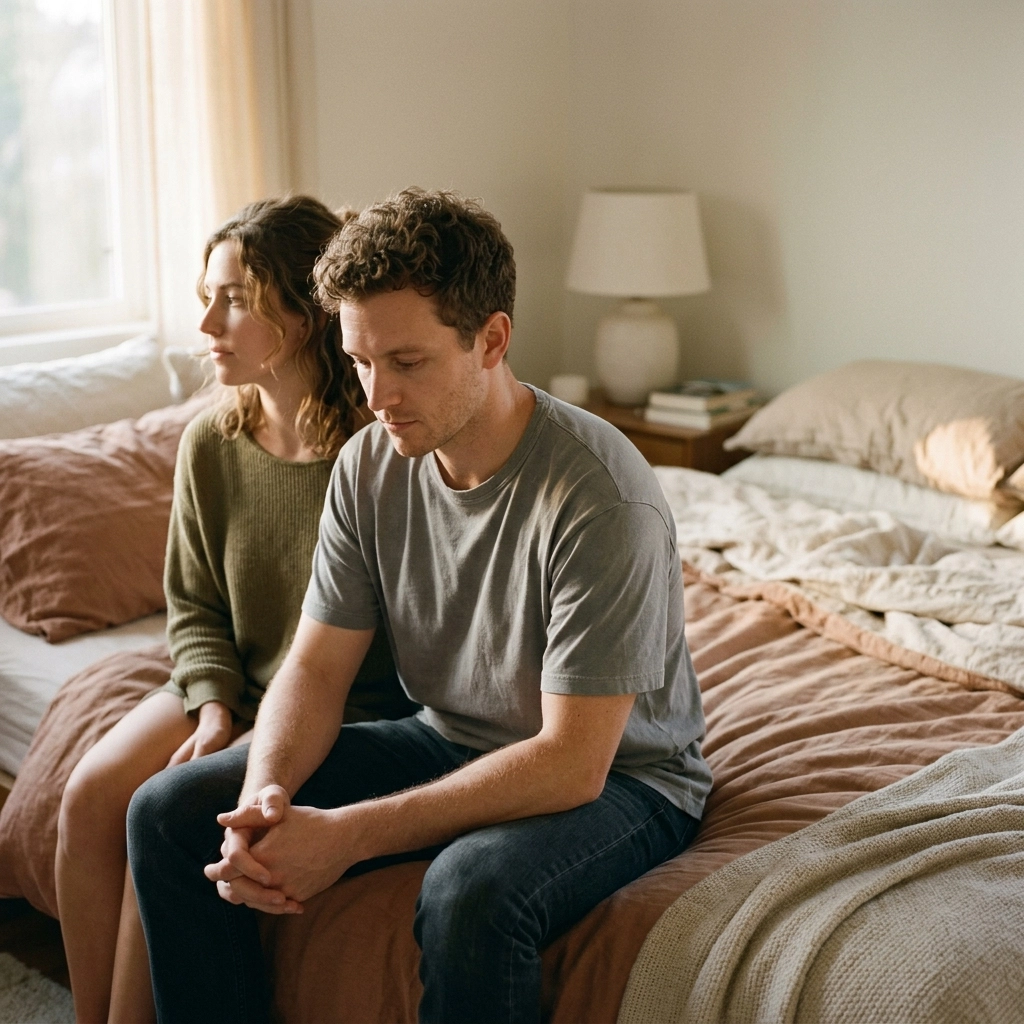
Have you ever been right in the middle of a moment of physical intimacy and suddenly realized that your mind is elsewhere? Maybe you’re thinking about that email you forgot to send, or you’re mentally scrolling through your to-do list for tomorrow. Meanwhile, your body is just… going through the motions. It’s what I call the Autopilot Trap. You know the routine. You start with the same touch, move to the same position, and follow the same rhythm until you reach the finish line. On paper, everything is "working." But internally? You feel like a machine. And here is the kicker: when your physical connection becomes mechanical, your confidence starts to evaporate. As Martina Somorjai (Szundi), I’ve talked to countless men who are frustrated because even though they are "performing," they don’t feel powerful. They feel like they are operating a piece of heavy machinery instead of experiencing a deep, electrifying connection. Today, I’m breaking down why this happens and how you can use specific stimulation techniques: not just as "tricks," but as tools to rewire your brain-body connection. The Story of the "Performance Robot" Let me tell you about a man I’ll call Mark. Mark is a high-achiever. He’s successful, fit, and deeply cares about his partner. But Mark had a problem. He told me, "Szundi, I feel like I’m a pilot following a pre-flight checklist. Step 1, Step 2, Step 3. Climax. Done. It’s effective, but I feel nothing. I’m starting to wonder if I’m broken." Mark’s confidence was at an all-time low. Because he felt like a "robot," he started overthinking every move. He became a spectator in his own bedroom. He was watching himself perform, wondering if he looked focused enough or if his partner was bored. This "spectator phase" is the ultimate confidence killer. When you are busy watching yourself, you aren't feeling. And when you aren't feeling, your body struggles to stay in the game. Why "Mechanical" Intimacy is a Trap The human brain is wired for novelty and presence. When we repeat the same physical patterns over and over, the brain essentially says, "I’ve seen this movie before," and it switches to power-save mode. This is the Autopilot Trap. When you are on autopilot: Sensation is Dampened: Your nervous system stops sending high-priority signals because the input is predictable. Performance Anxiety Creeps In: Because you aren't "feeling" the pleasure fully, you start to worry about your physical readiness or how long you'll last. The Connection Fades: Your partner can feel when you aren't present. That lack of synchronicity makes the whole experience feel hollow. To break this, we have to look at the Brain-Body Connection. Arousal isn't just something that happens "down there." It starts in the mind. If the mind is bored, the body will eventually follow suit, leading to those frustrating moments where your hardness or timing feels "off." Breaking the Routine: It’s Not Just About "Tricks" This is where my book, '35 Penis Stimulation + 27 Cougar Pampering Tricks', comes into play. I know, the word "tricks" might sound like I’m giving you a cheat code for a video game. But in reality, these are sensory disruptors designed to snap your brain out of the autopilot loop. When I talk about these techniques, I’m not just teaching you how to move your hands or change your rhythm. I’m teaching you how to feed your nervous system new data. By using varied stimulation: different pressures, temperatures, and unexpected areas of focus: you force your brain to come back into the present moment. You stop being a "performance robot" and start being a participant. The Power of Sensory Variety In the book, I dive deep into how to pamper your partner while simultaneously heightening your own sensitivity. For example, focusing on "Cougar Pampering" isn't just about her pleasure; it’s about changing the energy of the room. When you shift your focus to intricate, deliberate touch, your own arousal becomes more nuanced. You aren't just rushing toward the end; you are expanding the middle. This expansion is where confidence lives. When you know you have a "menu" of 35 different ways to stimulate yourself and 27 ways to treat your partner, the pressure to "perform" disappears. You aren't following a checklist anymore; you’re exploring a map. The Brain-Body Synergy The goal of the my PoP Program is always to move away from digital-habit-induced numbness and back toward natural, high-definition intimacy. If you’ve spent years conditioned by fast-paced adult media, your brain is used to high-intensity, low-effort stimulation. Real-life intimacy feels "slow" or "mechanical" by comparison. By implementing the techniques found in our books, you are essentially "re-sensitizing" your hardware. Imagine your bedroom life as a radio. If you’ve been on autopilot, you’re listening to static. The stimulation techniques I teach act as the dial that tunes you into a clear, crisp frequency. Suddenly, the touch feels more intense. The connection feels more real. And because you are actually feeling the pleasure again, your confidence naturally returns. You don't have to "fake" being an Alpha when you are genuinely immersed in the experience. How to Start Escaping the Trap Today You don't have to wait for a major crisis to fix your bedroom routine. You can start small. Acknowledge the Loop: Next time you’re with your partner, notice if you’re "checking boxes." If you are, stop. Take a deep breath. Change One Variable: Change your grip, change the speed, or focus on a part of your partner’s body you usually ignore (like the back of the neck or the palms of the hands). Invest in Your Education: Most of us were never taught how to actually handle the physical and mental aspects of long-term intimacy. We just assumed it would happen naturally. But like any skill, it requires a manual. I will post teaser and storytelling content for the books immediately and without waiting for approval, continuing for one month starting today. All other posts are secondary because I believe this is the
The Death of Spontaneity: Why Sex Feels Like a Chore
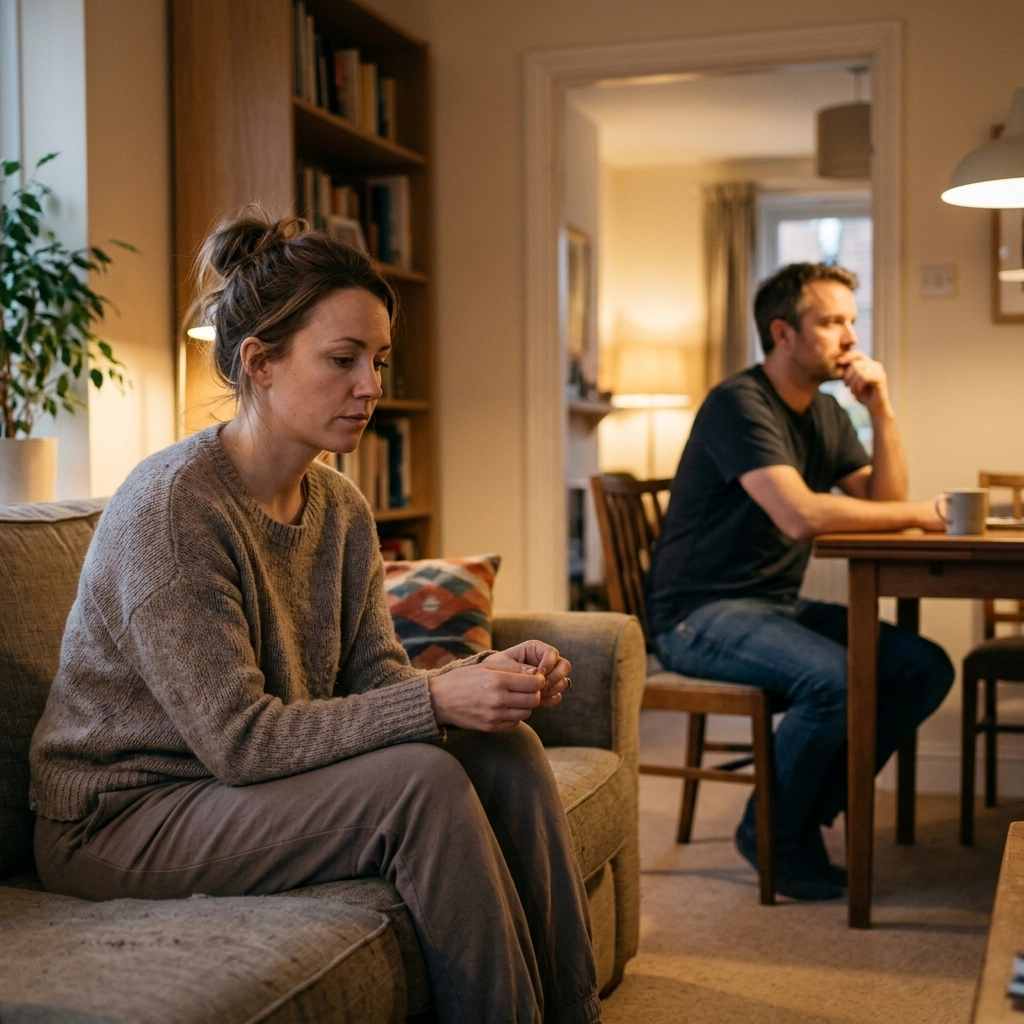
I’ve heard it hundreds of times in my private consultations. It starts as a whisper of doubt and grows into a heavy cloud over the bedroom. It’s that feeling when the sun goes down and, instead of excitement, you feel a sense of dread. You start thinking about all the reasons why you’re too tired, too stressed, or too busy. Suddenly, physical intimacy feels like an item on your to-do list: right between "buy milk" and "send that email." In my work as Martina Somorjai (Szundi), I’ve realized that this isn't just about "getting older" or "losing the spark." For many men today, the death of spontaneity is a direct side effect of our digital habits. When your brain is constantly fed high-octane, adult digital content, the real world starts to feel like a job you’re not prepared for. The Job You Didn't Apply For Think about it: Why does something that should be natural and effortless start feeling like a chore? Over-consumption of digital stimulants kills the natural flow of intimacy. Instead of a lived experience, the bedroom becomes a stage where you’re trying to replicate a scene you’ve watched a thousand times. Spontaneity dies when your brain is conditioned to high-octane pixels, making the real world feel slow and demanding. Suddenly, physical connection isn't a joy; it's a job you aren't prepared for. This leads to deep-seated performance anxiety erectile dysfunction. When you’re staring at a screen, there’s no pressure. There’s no partner to please, no vulnerability required, and no risk of failure. But when you’re with a real person, the stakes are high. You start "spectatoring": watching yourself from the outside, wondering if you’re doing enough, if you look right, or if you’ll be able to stay in the moment. That’s when the "chore" feeling takes over. You aren't connecting; you're performing. The High-Speed Visual Trap I often talk about how the brain reacts to adult films in my book, ‘How to Deal with Porn Addiction’. We have to understand that our brains weren't designed for the unlimited variety and intensity found online. When you spend years training your brain to respond to a specific type of visual intensity, the soft, subtle, and slow reality of a real-life partner can’t compete. It’s like trying to enjoy a home-cooked meal after eating nothing but super-sized fast food for a decade. The home-cooked meal is better for you, and deeper, but your taste buds are fried. This "fried" state is what makes intimacy feel like work. You find yourself having to "try" to get excited. You have to "try" to stay focused. And as soon as you have to try, the spontaneity is dead. You’re working overtime just to reach a baseline level of readiness. The Cycle of Performance Anxiety The moment the bedroom starts feeling like a workplace, your body reacts accordingly. Stress hormones like cortisol flood your system. In my experience, cortisol is the enemy of physical readiness. It tells your body that you’re in a "fight or flight" situation, not a "relax and connect" situation. This is where performance anxiety erectile dysfunction becomes a self-fulfilling prophecy. You worry that it won't work, which causes stress, which ensures it won't work, which makes it feel like a chore the next time you try. It’s a vicious cycle that leaves you feeling exhausted before you’ve even started. If you’re feeling this way, I want you to know you aren’t alone. I’ve developed tools to help you break this cycle and get back to a place where physical connection feels like a gift, not a burden. Why Reality Feels "Too Slow" We live in an age of instant gratification. We can get food, movies, and even "intimacy" at the click of a button. But real-world connection is slow. It requires patience. It requires being okay with a bit of awkwardness. When you're used to the "fast-forward" nature of digital content, you lose the ability to appreciate the "slow build." You want the end result without the journey. But the journey: the talking, the touching, the looking into each other's eyes: is where the real magic happens. When you skip the journey, the destination feels hollow. That’s why it starts to feel like a chore. You’re just going through the motions to get to the end, rather than enjoying the process. Reclaiming Your Natural Rhythm So, how do we fix it? How do we stop the "chore" feeling and bring back the fire? First, I recommend looking honestly at your digital consumption. In my book, I outline exactly how these habits rewrite your brain’s reward system. If you want to feel that spontaneous spark again, you have to give your brain a chance to reset. You have to stop the constant flood of dopamine from artificial sources so that your brain can learn to appreciate real-life intimacy again. Second, we need to take the pressure off. If every encounter has to end in a "perfect performance," you’re always going to be stressed. I teach my clients to focus on connection rather than "results." When you stop worrying about the finish line, you can actually enjoy the race. Moving Toward a Better Connection I believe that every man has the potential to overcome these hurdles. It’s not about being "broken"; it’s about being "re-calibrated." Your body knows how to do this: you just have to clear out the digital noise that’s blocking the signal. If you find yourself making excuses to avoid private moments, or if you feel a sense of relief when your partner goes to bed early, it’s time to take action. This isn't just about your relationship; it's about your own sense of confidence and well-being. I’ve helped thousands of men navigate this journey from "chore" back to "connection." It starts with understanding the root cause. It’s not that you don’t love your partner or that you’re "old." It’s that your brain has been hijacked by high-speed visuals, leading to performance anxiety erectile dysfunction and a loss