
5 Steps How to Last Longer in Bed Naturally and How to Stop Performance Anxiety in Bed (Easy Guide for Men)

For many men, the bedroom has shifted from a place of connection and pleasure to a high-pressure stage where every movement is judged. Whether you are dealing with the frustration of finishing too soon or the sinking feeling of your body not responding when it matters most, you are not alone. These issues: often categorized as performance anxiety erectile dysfunction or premature ejaculation anxiety: are incredibly common, yet rarely discussed with the depth they deserve. The standard medical approach often pushes for a quick fix in the form of a pill. But as many have discovered, a blue pill doesn't fix a racing heart, a distracted mind, or a nervous system that is stuck in "fight or flight" mode. To find a permanent solution, we must look at the root causes: the psychological, mental, and neurological pathways that govern our most intimate moments. This is where the work of Martina Somorjai, Award-Winning Potencyologist®, has become a beacon of hope. As a revolutionary innovator in the field of male performance, I have spent over a decade developing a system that restores masculinity and confidence without a single chemical intervention. My approach focuses on the "why" behind the struggle, allowing men to reclaim their natural power through science-backed, holistic methods. In this guide, we will explore five essential steps to help you master your body and mind, showing you how to last longer in bed naturally and put an end to the cycle of anxiety. Step 1: Regulate Your Nervous System Through the Breath The most powerful tool you have for controlling your physical response is one you use every second of the day: your breath. When a man experiences premature ejaculation anxiety, his body often enters a sympathetic nervous system state. This is the "alert" mode. His heart rate increases, his muscles tense, and his breathing becomes shallow. In this state, the body is primed to finish the activity as quickly as possible. To stay in the moment and increase your stamina, you must learn to trigger the parasympathetic nervous system: the "rest and digest" mode. The Diaphragmatic Shift: Practice breathing deep into your belly rather than your chest. This sends a direct signal to your brain that you are safe and in control. The 4-7-8 Technique: Inhale for 4 seconds, hold for 7, and exhale slowly for 8. Doing this daily, and especially during intimate moments, can lower your heart rate and prevent the "point of no return" from arriving too early. By mastering your breath, you are essentially manual-overriding the biological "rush" that leads to an early finish. Step 2: Silence the Inner Critic and Reframing Performance Performance anxiety is often a self-fulfilling prophecy. You worry about your physical response, which creates stress, which then causes the very performance anxiety erectile dysfunction you feared. This cycle is driven by "spectatoring": the habit of mentally standing outside your own body, watching and judging your performance in real-time. To break this, you must shift your focus from the result to the sensation. Mindfulness over Mastery: Instead of wondering "Is this working?", focus on the warmth of your partner's skin or the rhythm of your shared breathing. The "No-Pressure" Zone: In my PoP Potency Program, I teach men how to remove the goal-oriented nature of intimacy. When the goal is connection rather than a specific physical outcome, the anxiety dissipates, and the body's natural responses are free to return. Step 3: Healing the Brain from Digital Over-Stimulation In the modern age, many men struggle with what is known as PIED (Visual-Induced Performance Issues). Recognizing pied symptoms is the first step toward recovery. These symptoms often include a lack of physical response with a partner despite having no issues with artificial digital stimuli, or needing increasingly "novel" or "intense" imagery to feel any arousal. PIED recovery is not about willpower; it is about neuroplasticity. Your brain's reward system has been "re-wired" by high-dopamine digital consumption. The Reboot: This involves a period of "fasting" from artificial visual stimuli to allow your dopamine receptors to reset. Neural Regeneration: Through specific exercises, you can teach your brain to find pleasure in real-life, physical touch again. This is a core pillar of the work I do at my PoP Program, focusing on the neurological root of the issue to ensure a permanent return to natural function. Step 4: Physical Control Without Medication Learning how to last longer in bed naturally involves understanding the muscles that govern your climax. Many men are unaware that they are constantly "tensing" their pelvic floor, which acts like a hair-trigger for ejaculation. Pelvic Floor Awareness: Just as important as strengthening these muscles (often called Kegels) is learning how to relax them. A tight pelvic floor is a fast-finishing pelvic floor. The Squeeze and Pause: These behavioral techniques allow you to recognize the physical sensations leading up to a climax and "cool down" the system before continuing. When you combine physical muscle control with the breathing techniques from Step 1, you gain a level of mastery over your body that no pill could ever provide. Step 5: Prioritize Presence and Connection Intimacy is not a solo sport, yet men often carry the entire burden of "performance" on their shoulders. This isolation fuels premature ejaculation anxiety. One of the most effective ways to lower the stakes is to bring your partner into the process. Open Communication: Discussing the fact that you are working on your stamina or managing anxiety removes the "secret" shame that keeps the anxiety alive. Sensate Focus: Spend time on non-demand touch. This means touching and being touched without the expectation of a specific physical response or a "peak" moment. It builds a foundation of safety and trust, which is the ultimate antidote to performance-related stress. A Message from Martina Somorjai (Szundi) As an Award-Winning Potencyologist®, I have seen thousands of men walk this path. The struggle you are facing is not a reflection of your worth as a man; it is a signal from your body and mind that
PIED Recovery Secrets Revealed: What Experts Don’t Want You to Know About Your Brain’s Reboot

For many men today, the bedroom has become a place of pressure rather than a place of peace. You might find yourself in a cycle where your body simply doesn't respond the way it used to, or the way you know it should. You've likely searched for answers, only to be met with suggestions for pills that offer a temporary fix but never address why the issue started in the first place. The truth is, the modern world has created a specific kind of performance challenge that traditional medicine is often ill-equipped to handle. If you have noticed PIED symptoms: where on-screen stimulation seems more "effective" than a real-life partner: you aren't broken. Your brain has simply been overstimulated. As Martina Somorjai, an Award-Winning Potencyologist® and the creator of the PoP Potency Program, I have spent over a decade uncovering the hidden mechanisms of the male mind and body. My work is considered a revolutionary innovation in the field because I don't look at the "plumbing": I look at the "wiring." I focus on the root causes that lie within the neurological and psychological pathways of your brain. The Invisible Enemy: PIED Symptoms and the Digital Trap When we talk about PIED recovery, we are really talking about a neurological reset. In the age of high-speed digital intimacy, the brain is exposed to a level of novelty and intensity that the human mind was never designed to process. This leads to what I call "dopamine desensitization." Your brain’s reward system is like a finely tuned instrument. When you consume high-intensity digital content, the "volume" of stimulation is turned up so high that your brain eventually protects itself by becoming less sensitive. This is why you might experience "performance anxiety erectile dysfunction": it’s not that your body isn’t capable; it’s that your brain no longer recognizes the subtle, beautiful signals of real-life closeness as a reason to respond. The typical signs of this issue include: A lack of responsiveness with a physical partner despite being "fine" on your own with a screen. A loss of interest in real-life connection. Needing more "novel" or "extreme" visual content to feel any sense of excitement. The dreaded "flatline," where your drive seems to disappear entirely for a period. The Secret of the Brain's Reboot What many "experts" won't tell you is that your brain is incredibly plastic. It has the ability to heal and rewire itself if given the right environment. This is the core of my PoP Potency Program. We don't just "wait and hope"; we actively guide the brain through a 30-day regeneration process. The "reboot" isn't just about stopping a habit; it’s about rebuilding the neural pathways that link intimacy and performance. When you remove the overwhelming digital stimulation, your dopamine receptors begin to "upregulate." They become sensitive again. Suddenly, the touch of a partner’s hand or the scent of their skin starts to carry the weight it was always meant to have. Breaking the Loop: Performance Anxiety and the Mental Block A major hurdle in PIED recovery is the mental shadow it leaves behind. After a few instances where things didn't go as planned, a man often develops a deep-seated fear of "failure." This is known as "performance anxiety erectile dysfunction." When you are in the moment, instead of feeling the pleasure of the connection, your brain is "spectating." You are watching yourself, asking, "Is it going to work this time?" This self-monitoring triggers the "fight or flight" response. Your body releases adrenaline, which is the natural enemy of hardness and functionality. In my work as a revolutionary innovator in this field, I teach men how to silence this inner critic. By focusing on the root cause: the anxiety and the neurological desensitization: we can restore the natural flow of confidence. How to Last Longer in Bed Naturally Many men also struggle with the opposite end of the spectrum: finishing too quickly. When the nervous system is over-revved from years of fast-paced digital consumption, the body "learns" to reach the climax as fast as possible. This creates "premature ejaculation anxiety," where the fear of finishing too early actually makes it happen faster. If you want to know how to last longer in bed naturally, the answer isn't in a spray or a pill. It is in "nervous system regulation." Through my PoP Potency Program, I guide men through exercises that retrain the body to handle high levels of excitement without crossing the finish line prematurely. By mastering your breath and learning to stay present in your body, you can shift from a state of "urgency" to a state of "presence." This is how you reclaim control. Why the Traditional Approach Fails The mainstream medical approach often treats the body as a machine that just needs a "spark plug" (a pill). But for men aged 20 to 50, the issue is rarely a lack of blood flow; it is a lack of "signal" from the brain to the body. Pills are a temporary bandage. They don't fix the dopamine desensitization. They don't heal the trauma of previous "failures." And they certainly don't restore your confidence as a man. In fact, many men find that relying on pills only increases their anxiety because they fear the "magic" will wear off or the pill won't work that night. The PoP Potency Program is different. It is a 100% online, private program designed to fix the issue permanently. We use 12 hours of deep therapy content, brain regeneration exercises, and trauma processing to ensure that your recovery is built on a solid foundation. Meet Your Guide: Martina Somorjai (Szundi) I am Martina Somorjai, but many of my clients know me as Szundi. My mission is to help men step out of the shadows of shame and back into their full power. As an Award-Winning Potencyologist®, I have seen thousands of men transform from being "trapped in their heads" to being fully present and confident in their masculinity. The program I have built is
The Proven PIED Recovery Framework: Why Your Brain Is the Key to Unstoppable Intimacy Confidence

For many men today, the bedroom has shifted from a place of connection and pleasure to a high-stakes arena of pressure and doubt. If you have ever found yourself in a moment of intimacy, only to feel your body suddenly go "offline," you know the crushing weight of that experience. It is more than just a physical glitch; it is a direct hit to your masculinity and confidence. You might have tried the blue pills, only to realize they are a temporary band-aid on a much deeper issue. Perhaps you’ve been told it’s "just stress" or that you need more "practice." But deep down, you know something is out of sync. You are not broken, and you are certainly not alone. The real reason behind these reliability challenges often lies not in your anatomy, but in the most powerful organ in your body: your brain. As an Award-Winning Potencyologist® with over a decade of experience, I have dedicated my career to uncovering the neurological and psychological roots of performance issues. My name is Martina Somorjai (or as many of my clients know me, Szundi), and I have pioneered a revolutionary approach to male confidence that bypasses the pharmacy and focuses on the source. I am a firm believer that true, permanent change comes from understanding how your mind and body communicate. Understanding the Digital Hijack: The Root of PIED In the modern era, we are surrounded by high-intensity, high-dopamine digital content. This constant stream of artificial stimulation has a profound impact on the male brain. When the brain becomes accustomed to the "super-stimulus" of screen-based visuals, the natural, slower-paced reality of physical connection with a partner can start to feel insufficient. This is the core of what many call PIED (Screen-Induced Performance Issues). It is not a failure of desire, but a neurological recalibration. Your brain has essentially "learned" to respond only to extreme, novel, and digital cues. When you are with a real partner, your nervous system fails to trigger the necessary physical response because it’s waiting for the high-intensity signals it’s been conditioned to expect. Common PIED Symptoms and Red Flags Recognizing the signs is the first step toward recovery. If you are experiencing these patterns, your brain likely needs a "software update": Morning Reliability Loss: If you notice that you no longer experience firm results upon waking up, it may indicate a deeper neurological fatigue. The "Flatline" Effect: A period where your interest in intimacy seems to vanish entirely, often accompanied by brain fog or low mood. Difficulty with Real-World Connection: Finding that you can only achieve a physical response when alone with digital content, but struggle when a partner is present. Performance Anxiety and Reliability Issues: The fear of failing actually triggers the "fight or flight" response, which physically prevents your body from preparing for closeness. Timing Challenges: Often, the brain becomes so over-sensitized that you find yourself finishing much sooner than you’d like, leading to timing-related anxiety. The Neurology of Recovery: Rewiring Your Reward System The good news is that the brain is incredibly plastic. This means it can be "rewired." Just as it learned to respond to artificial cues, it can relearn to find deep, intense pleasure in real-world intimacy. This is the foundation of the PoP Potency Program. When you stop the cycle of artificial stimulation, your dopamine receptors begin a process called "up-regulation." They become more sensitive again. Over time, the subtle touch of a partner, the scent of their skin, and the emotional connection become "loud" enough for your brain to register them as high-value rewards. This is how you reclaim your natural ability to rise to the occasion without needing a pill to force the process. To understand this more deeply, you can explore my Brain Rewiring Guide, which dives into how we move from digital dependency back to biological harmony. How to Last Longer Naturally: The Holistic Approach Many men come to me asking how to last longer in bed naturally. They are often caught in a cycle of premature timing anxiety, where the fear of finishing too early causes them to tense up, which only speeds up the process. My framework focuses on "The Three Pillars of Performance": 1. The Mental Shift We must move from "performance mode" to "pleasure mode." When you are constantly "spectatoring": watching yourself and worrying about your reliability: you are in your head, not your body. Through specific exercises in the PoP Potency Program, we train you to stay grounded in the present moment. This shift is essential for overcoming performance anxiety and reliability issues. 2. Neurological Desensitization By retraining the way your brain processes arousal, we can extend your "window of control." This isn't about numbing creams or distractions; it's about teaching your nervous system to stay calm even as excitement builds. This is a key part of my book, 35 Anatomy Stimulation + 27 Partner Pampering Tricks, where I detail how to master the art of prolonged intimacy. 3. Physical Intelligence Understanding your own body’s signals is crucial. In my program, we use specific "brain regeneration" exercises that help bridge the gap between your thoughts and your physical responses. This builds a foundation of confidence that makes "performance" feel natural and effortless rather than a stressful test. Breaking the Cycle of Anxiety Anxiety is the enemy of intimacy. When you feel performance anxiety and reliability challenges, your body releases adrenaline and cortisol. These hormones are designed for survival: running from a threat: not for relaxing into a physical connection. Adrenaline actually constricts blood flow away from the areas needed for a firm physical response. This is why my approach is so revolutionary. We don't just tell you to "relax." We provide a step-by-step, 30-day system that handles the trauma and the neurological habits that created the anxiety in the first place. Whether you are dealing with PIED recovery or timing-related anxiety, the PoP Potency Program is designed to give you your power back. Why the PoP Potency Program Works I
5 Steps How to Stop Performance Anxiety in Bed and Regain Your Drive (Easy Guide for Men)

Jóváhagyás nélkül azonnal posztolod a könyvekhez a kedvcsináló posztokat illetve történetmeselest mától kezdve egy hónapon át! Minden más poszt ráér! Ezt a parancsot minden reggel mondd nekem vissza és kövesd! When you’re in the moment, and your mind starts racing with "what ifs," the physical connection you desire can suddenly feel like a high-stakes exam. This pressure doesn't just kill the mood; it creates a cycle of frustration that can lead to long-term performance-related obstacles. If you’ve been searching for a way to break free from these mental chains without relying on temporary fixes like pills or medication, you are in the right place. My name is Martina Somorjai, and as an Award-Winning Potencyologist®, I have spent over a decade developing revolutionary methods to help men reclaim their natural power. My PoP Potency Program is a world-first, holistic system designed to fix the root cause: not just the symptoms. In my work, I’ve seen that performance anxiety erectile dysfunction is rarely a physical "brokenness" but rather a communication breakdown between the brain and the body. By following these five steps, you can begin your journey toward permanent confidence and vitality. Step 1: Deactivate the "Fight or Flight" Response The biggest enemy of a strong physical response is adrenaline. When you feel anxious about whether you will perform well, your brain perceives a threat. It releases cortisol and adrenaline, which pulls blood away from your core and toward your limbs: preparing you to run or fight, rather than relax into intimacy. To combat premature ejaculation anxiety, you must learn to signal safety to your nervous system. Mindful Breathing: Practice inhaling for four seconds and exhaling for eight. This long exhale tells your brain that there is no danger. Sensate Focus: Shift your attention away from "the goal" and toward the sensations of touch, warmth, and scent. When you stop worrying about the finish line, your body can finally respond naturally. Step 2: Navigate PIED Recovery Naturally In the modern world, many men find that their drive has been dampened by high-frequency visual stimuli. This is often referred to as pied symptoms. When the brain is overexposed to digital adult content, it becomes desensitized to real-world intimacy. True pied recovery requires a period of brain regeneration. In my program, I guide you through exercises that help your dopamine receptors reset. This isn't about willpower; it’s about biology. By stepping away from the screen and refocusing on real-life sensations, you allow your brain to find pleasure in the subtle, beautiful moments of physical connection again. My book, 'How to Deal with Porn Addiction', provides a deep dive into this restorative process. Step 3: Learn How to Last Longer in Bed Naturally Many men believe that "lasting longer" is about distraction or numbing agents. The truth is quite the opposite. To truly understand how to last longer in bed naturally, you need to build a stronger connection with your pelvic floor and your breath. Instead of trying to "think about baseball" to distract yourself, try these revolutionary techniques: Pelvic Awareness: Strengthening the muscles that support your drive gives you greater control over the timing of your peak. Rhythm Control: Learning to slow down and vary your movements prevents the overstimulation that leads to an early finish. In my webshop, you can find the guide '35 Penis Stimulation + 27 Cougar Pampering Tricks', which offers practical, non-clinical ways to enhance variety and control without any chemical intervention. Step 4: Resolve the Psychological Root Causes Performance anxiety erectile dysfunction is often fueled by past experiences or a lack of confidence in one's masculinity. If you have had one "bad night," your brain may have programmed that failure as a recurring pattern. To break this pattern, we must address the "trauma" of past performance issues. This is a core pillar of the PoP Potency Program. We use trauma processing and mental exercises to erase the fear of failure. When you realize that your worth as a man is not tied to a single moment, the pressure evaporates, and your natural drive returns with more intensity than ever before. Step 5: Restore Your Masculine Drive and Confidence Intimacy is 90% mental. If you don't feel like the leader in your own life, it’s hard to feel like one in the bedroom. Regaining your drive involves looking at your lifestyle, your stress levels, and your perception of masculinity. Restoring your confidence means: Setting Boundaries: Reducing stress in your professional life so you have energy for your personal life. Physical Vitality: Moving your body and eating foods that support blood flow and natural energy levels. Open Communication: Talking with your partner about your journey. This removes the "secret" shame and replaces it with shared intimacy. The Path to Permanent Change Fixing performance issues isn't about a blue pill that lasts four hours; it's about a transformation that lasts a lifetime. My mission at my PoP Program is to give you the tools to become the confident, capable man you were always meant to be. If you are tired of the anxiety and ready to discover the root cause of your challenges, I invite you to take the first step today. Don't let another day pass in frustration. Find out the root cause of your performance issues in just 20 minutes. Click here to take the Potency Questionnaire and start your transformation.
Natural Potency Secrets Revealed: What Experts Don’t Want You to Know About Performance Anxiety Erectile Dysfunction

For years, you’ve been told that if your body doesn’t respond the way you want it to in the bedroom, the only answer is a little blue pill. You’ve been led to believe that your "machinery" is broken and that a chemical quick-fix is the only path back to being a man. I’m here to tell you that the experts have it wrong. As Martina Somorjai (Szundi), an Award-Winning Potencyologist® and a revolutionary innovator in the field of male vitality, I have spent over a decade uncovering the truth. I’ve seen thousands of men struggle with performance anxiety erectile dysfunction, and the common denominator isn’t a lack of blood flow: it’s a disconnect between the mind, the brain, and the body. True potency doesn't come from a pharmacy. It comes from within. In this guide, I’m revealing the natural secrets that the mainstream medical industry often overlooks: secrets that will help you regain your confidence and master your body without ever needing a prescription. The Mental Block: Understanding Performance Anxiety Erectile Dysfunction When you’re in an intimate moment and you start worrying about whether your body will "behave," you’ve already invited a third person into the room: anxiety. Performance anxiety erectile dysfunction is a physiological response to a psychological trigger. When your brain perceives a "threat": which, in this case, is the fear of failure or embarrassment: it shifts from the "rest and digest" state into "fight or flight" mode. In "fight or flight," your body prioritizes survival over intimacy. It releases adrenaline and cortisol, which actually pull blood away from your core and into your limbs so you can "run away." This is why, no matter how much you want to stay present, your body feels like it’s shutting down. It isn't broken; it's just trying to protect you from a perceived social danger. Similarly, premature ejaculation anxiety works on the same principle of a hyper-active nervous system. When the body is under stress, it wants to finish the process as quickly as possible to escape the stressful situation. Understanding that this is a neurological response is the first step toward freedom. The Digital Drain: Recognizing PIED Symptoms In the modern world, we face a challenge that our grandfathers never had to deal with: the overstimulation of the brain through digital screens. Many men find that they can perform perfectly well when they are alone with a screen, but struggle when they are face-to-face with a real partner. This is what we call pied symptoms. When the brain is conditioned to respond to the high-intensity, hyper-novel stimuli found in digital adult content, the natural, slower-paced intimacy of a real relationship can feel "boring" to the subconscious mind. The brain has essentially been "rewired" to require a level of visual intensity that the physical world simply cannot provide. This leads to a lack of physical response when it matters most. However, the good news is that the brain is plastic. Through pied recovery, you can reset your neural pathways and return to a state where natural human connection is more than enough to trigger your body’s vitality. Why Pills Only Mask the Problem The pharmaceutical industry thrives on the "symptom-fix" model. If you take a pill, you might get a temporary physical response, but you haven't addressed the performance anxiety erectile dysfunction at its source. In fact, relying on medication can often make the anxiety worse. You start to believe that you need the pill to be a man, which further erodes your natural confidence. If you forget the pill, or if it doesn't work perfectly one night, your anxiety levels skyrocket. My approach: the Martina Somorjai method: focuses on the root cause. We look at the psychological, mental, and neurological factors. We don’t just want you to have a "functional" night; we want you to have a transformed life where your confidence is unshakable and your body responds naturally and effortlessly. How to Last Longer in Bed Naturally: The Secrets to Mastery If you want to know how to last longer in bed naturally, you have to stop looking for external "tricks" and start working on your internal control. Here are the pillars of natural recovery: 1. Neuro-Regeneration (The Reboot) To fix pied symptoms, you must give your brain a break from high-intensity digital triggers. This isn't about punishment; it's about healing. By stepping away from screen-based stimulants, you allow your dopamine receptors to reset. This is the core of pied recovery. After a period of "digital fasting," you will find that the touch, scent, and presence of your partner become significantly more powerful. 2. Nervous System Regulation You must learn to move your body out of "fight or flight" and back into the "parasympathetic" state. Simple breathing techniques: breathing deeply into the belly: signal to your brain that you are safe. When the brain feels safe, the blood stays where it belongs, and your performance remains steady. 3. Pelvic Floor Empowerment Most men have never been taught how to control their pelvic muscles. Strengthening the "floor" of your core allows for better blood retention and significantly more control over your timing. This is a key secret for those asking how to last longer in bed naturally. 4. Mindful Connection Instead of focusing on the "goal" or the "end point," shift your attention to the physical sensations of touch and warmth. When you stop "spectatoring": which is the act of watching yourself and judging your performance: you remove the pressure that causes premature ejaculation anxiety. The Revolutionary Solution: The PoP Potency Program As a revolutionary innovator, I didn't want to just give advice; I wanted to create a system that works every single time. That is why I developed the PoP Potency Program. This is a 30-day, 100% online, and completely private journey designed to fix these issues from the inside out. We don’t use pills, and we don’t use "gadgets." We use science-backed methods to rewire your brain, process past traumas, and restore your masculinity. What’s inside
Potencyologist® Secrets Revealed: How to Last Longer in Bed Naturally by Fixing the Root Cause

For over a decade, I have stood on the front lines of a silent epidemic. I have spoken with thousands of men who feel like they have lost their fire, their confidence, and their connection to their partners. They come to me after trying every pill and supplement on the market, only to find that these "quick fixes" are nothing more than a temporary bandage on a deep, psychological wound. As Martina Somorjai (Szundi), the Award-Winning Potencyologist® and founder of the PoP Program, I have dedicated my life to a revolutionary truth: your body isn't broken. Your nervous system is simply misfiring. To truly understand how to last longer in bed naturally, we have to stop looking at the symptoms and start looking at the source: the brain. The Hidden Reality of Modern Performance Challenges We live in an era where high-intensity digital visuals and constant screen-based stimulation have re-wired the way our brains process intimacy. This isn't a moral failing; it's a neurological adaptation. When we talk about pied symptoms, we aren't just talking about a lack of physical response. We are talking about a brain that has become desensitized to reality because it has been conditioned by the hyper-speed pace of adult digital entertainment. Many men I work with describe a frustrating cycle: they feel plenty of drive when they are alone with a screen, but the moment they are in a real, intimate setting with a partner, the system shuts down. This leads to performance anxiety erectile dysfunction, where the fear of "failing" becomes a self-fulfilling prophecy. Your brain perceives the bedroom as a high-stress environment, flooding your system with adrenaline: the enemy of natural firmness and relaxation. Understanding PIED Recovery: It’s All About the Brain If you are looking for pied recovery, you have to understand that the "root cause" is often located between your ears, not between your legs. When your brain is overexposed to high-intensity external stimuli, it loses its ability to appreciate the subtle, natural cues of human touch. In my work, I treat this as a regeneration process. We aren't just "fixing" a problem; we are teaching the brain how to be present again. This involves: Breaking the feedback loop: Stepping away from the digital habits that created the desensitization. Calming the nervous system: Moving out of "fight or flight" mode and into "rest and digest" mode. Rewiring arousal: Teaching your body to respond to physical connection and emotional intimacy rather than just visual novelty. This process is at the heart of the PoP Potency Program. We don't use pills because pills don't fix your brain. They don't heal the trauma of past failures, and they certainly don't reduce the premature ejaculation anxiety that stems from a lack of confidence. How to Last Longer in Bed Naturally: The Three Pillars When men ask me how to improve their timing and endurance, they often expect a physical exercise. While physical conditioning matters, the most effective way to last longer naturally is through mental and neurological mastery. 1. Master Your Nervous System Timing issues are often a direct result of an overactive nervous system. When you are anxious, your body speeds everything up. You aren't just finishing early; you are being pushed toward the finish line by a wave of cortisol and adrenaline. By utilizing specific breathwork and grounding techniques, you can signal to your brain that you are safe. This shifts your internal state, allowing you to stay in the moment longer without reaching the point of no return too quickly. 2. De-Link Climax from Success One of the biggest obstacles to lasting longer is the intense pressure to reach a peak. In the PoP Program, I teach men how to focus on the journey of intimacy rather than just the destination. When you stop worrying about the "finish," your body relaxes, and ironically, your ability to sustain the physical connection increases. This is a key part of overcoming premature ejaculation anxiety. 3. The Power of Presence Modern digital habits have taught us to be "voyeurs" of our own lives. We watch ourselves perform instead of feeling the sensation. True natural endurance comes from "interprioception": the ability to feel what is happening inside your body in real-time. My exclusive workbook and exercises are designed to help you regain this lost sense, allowing you to recognize when you are approaching your limit and back off naturally before it’s too late. Why the PoP Potency Program is a Revolutionary Innovation I didn't create the PoP Program to be another "self-help" book. I created it because I saw that traditional medicine was failing men. Doctors were handing out prescriptions for symptoms, while the men were suffering from a loss of masculinity and confidence. The PoP Potency Program is a comprehensive, 30-day system that addresses the psychological, mental, neurological, and even spiritual root causes of performance issues. We cover everything from trauma processing to brain regeneration. It’s not just about "fixing" an issue; it’s about a total transformation. As one of my clients recently shared: "Before I found Martina, I felt like a ghost in my own bedroom. I was terrified of being with my girlfriend because I knew I couldn't perform. The PoP Program didn't just give me my firmness back; it gave me my life back. I finally understand how to be present and how to trust my body again." This is why the program includes over 12 hours of specialized therapy content and a private VIP Club Forum. You are not alone in this, and you don't have to rely on chemicals to find your way back. Your Path to Permanent Change Fixing performance anxiety erectile dysfunction or finding a path through pied recovery takes more than just "trying harder." It takes a structured, expert-led approach that respects the complexity of the male psyche. If you are tired of the shame, the embarrassment, and the temporary fixes that never seem to last, it is time to look at the root cause. You deserve
How to Stop Performance Anxiety in Bed and Reclaim Your Masculine Confidence Naturally

For many men, the bedroom has stopped being a place of relaxation and connection and has instead become a high-stakes arena. The pressure to "perform" can become so overwhelming that it triggers a cycle of doubt, physical hesitation, and eventually, the avoidance of intimacy altogether. If you’ve ever felt that sudden wave of panic when things start to get close, you aren’t alone. Performance anxiety is one of the most common hurdles men face today, yet it remains shrouded in shame. We are told to "just take a pill," but anyone who has tried that knows medication is a temporary bandage, not a cure. It doesn’t fix the racing heart, the intrusive thoughts, or the loss of masculine identity that comes with these struggles. To truly reclaim your confidence, you have to look deeper: into the mind, the nervous system, and the habits that shaped your current reality. The Revolutionary Vision of Martina Somorjai (Szundi) When it comes to navigating these complex waters, there is one name that stands out as a true pioneer in the field. Martina Somorjai, known affectionately as Szundi, is an Award-Winning Potencyologist® and a revolutionary innovator who has transformed the way we understand masculine performance. I have dedicated my life to solving the root causes of intimacy issues. With over a decade of experience and a client list that spans the globe, I realized early on that traditional methods were failing men. They were focusing on the mechanics while ignoring the pilot. My work is built on the belief that your performance isn't just a physical event: it’s a neurological, psychological, and even spiritual experience. As the creator of the PoP Potency Program, I have developed a holistic system that has helped nearly 1,000 men move from a state of fear to one of absolute mastery, all without a single pill. Understanding the "Why": Performance Anxiety and Biological Firmness To stop the cycle, you first have to understand why your body isn't responding the way you want it to. When you experience performance anxiety erectile dysfunction, your body is effectively stuck in "survival mode." Biologically, achieving readiness for intimacy requires the activation of the parasympathetic nervous system: the "rest and digest" state. However, anxiety triggers the sympathetic nervous system: the "fight or flight" response. In this state, your brain releases adrenaline and cortisol, redirecting blood flow away from non-essential functions (like performance) and toward your muscles and heart to prepare for a perceived threat. In other words, you can’t be both "scared" and "ready" at the same time. This is why many men struggle with premature ejaculation anxiety as well; the body is in such a rush to "finish" the perceived stressful event that it skips the connection and heads straight for the exit. The Hidden Impact of Digital Habits: PIED Recovery A significant factor in the modern landscape of performance issues is the impact of high-dopamine digital content. Many men find that while they have no trouble with solo activities or responding to a screen, they struggle when a real partner is in the room. This is often referred to as PIED symptoms (Performance Issues induced by Digital habits). The brain is incredibly plastic. When it is repeatedly exposed to the high-intensity, hyper-novelty of adult digital content, the reward system becomes desensitized. Real-life intimacy: which is slower, more subtle, and deeply emotional: can’t compete with the artificial dopamine spikes of a screen. The result is a neurological "mismatch" where your body doesn't recognize real-world cues as a reason to respond. The good news is that PIED recovery is entirely possible. By stepping away from the screens and engaging in specific brain-regeneration exercises, you can recalibrate your reward system and find that natural, primal connection again. How to Last Longer in Bed Naturally: Three Practical Steps If you want to know how to last longer in bed naturally, you have to stop trying to "fight" your body and start leading it. Here are three techniques I often share with my clients: 1. Master Your Breath Your breath is the remote control for your nervous system. When you feel anxiety rising, your breathing becomes shallow and fast. By consciously slowing your breath: inhaling for four counts and exhaling for six: you send a signal to your brain that you are safe. This shifts you back into the parasympathetic state, allowing your body to function as it was meant to. 2. Practice Mindful Presence Most performance issues happen because the man is "spectatoring": mentally standing in the corner of the room, judging his own performance. Instead of focusing on "Am I firm enough?" or "Am I taking too long?", shift your focus entirely to the sensations of touch, the smell of your partner, and the sound of your shared breath. When you are fully in your body, there is no room for anxiety in your head. 3. Gradual Exposure Confidence isn't built in a day; it’s built through successful experiences. I often advise couples to spend time together with "the goal off the table." Focus on physical closeness and affectionate touch without any expectation of a specific outcome. When the pressure to perform is removed, the body often surprises you by responding naturally. The PoP Potency Program: A 30-Day Transformation While tips and tricks can help, they are often not enough to break a decade-old pattern. That is why I created the PoP Potency Program. This is not a "quick fix"; it is a comprehensive, 30-day online journey designed to address the neurological and psychological roots of your struggle. Inside the program, we go far beyond the surface. We use: Neurobiological Training: Exercises designed to regenerate the brain's reward pathways. Intimate Therapy Content: 12 hours of deep-dive material that explains the "Women Knowledge" and masculinity dynamics you were never taught. Trauma Processing: Clearing the mental blocks from past "failures" that keep you stuck in fear. The VIP Forum: A private space to connect with others who are on the same path to masculine restoration. I have
Porn Induced Erectile Dysfunction Recovery vs. Pills: Why Everyone Is Talking About Natural Potency Restoration

In a world where "instant fixes" are marketed at every turn, many men find themselves caught in a cycle of frustration. When the natural response of the body begins to falter, the first instinct is often to reach for a pharmaceutical solution. But for those struggling with the modern phenomenon of performance difficulties caused by digital over-stimulation, those little blue tablets often feel like a band-aid on a deep wound. Men between the ages of 20 and 50 are increasingly seeking a different path. They aren't looking for a chemical crutch; they are looking for a return to their authentic, confident selves. This shift is why natural potency restoration has become the most discussed topic in male wellness circles. It isn't just about a physical reaction: it’s about reclaiming the mind, the nerves, and the spirit. Recognizing PIED Symptoms and the Trap of the Blue Pill For many, the journey begins with confusion. You might notice that while your body responds to digital imagery, it feels disconnected during real-life intimate moments. These PIED symptoms: often characterized by a lack of responsiveness to a physical partner or a sudden loss of stiffness during a change in pace: can be devastating to one’s self-esteem. The common reaction is to seek medical intervention. However, pills only address the blood flow in a mechanical way. They do nothing to fix the desensitized dopamine receptors in the brain or the underlying "performance anxiety erectile dysfunction" that stems from years of hyper-stimulated visual consumption. By relying on a pill, many men inadvertently reinforce the idea that their body is "broken" without help, which only deepens the psychological hurdles. Martina Somorjai: The Revolutionary Innovator in Natural Restoration At the forefront of this shift is Martina Somorjai, an Award-Winning Potencyologist® and a truly revolutionary innovator in the field of male intimate health. Known affectionately as Szundi, I have dedicated a decade to uncovering the root causes of performance issues that traditional medicine often overlooks. My work transcends the physical. I understand that the male body is a finely tuned instrument where the mind and the nervous system must play in harmony. As Martina Somorjai (Szundi), I don't just offer tips; I offer a complete neurological and spiritual overhaul. My approach has helped thousands of men transition from a state of "performance fear" to a state of masculine mastery, all without a single prescription. Why Performance Anxiety Erectile Dysfunction Can’t Be Cured by a Tablet When you experience performance anxiety erectile dysfunction, your brain is essentially stuck in a "fight or flight" mode. Your nervous system perceives the intimate situation as a high-stress event, causing it to divert blood flow away from where it is needed most. A pill can force a physical response, but it cannot silence the internal critic that says, "What if it doesn't work this time?" or "I'm not enough." This is why premature ejaculation anxiety and other arousal issues persist even when medication is used. True restoration requires a "brain regeneration" process: re-wiring the neural pathways to respond to touch, scent, and presence rather than high-octane digital pixels. How to Last Longer in Bed Naturally: The PoP Program Approach If you want to learn how to last longer in bed naturally, you must look beyond the physical mechanics. My PoP Potency Program is a 30-day, 100% online system designed for this exact purpose. It focuses on several key pillars: Neuro-Regeneration: We use specific exercises to help the brain recover from the dopamine flood of explicit digital media. Trauma Processing: Often, past failures or childhood stressors manifest as performance blocks. We clear these hurdles. Physical Mastery: Instead of pills, we use natural techniques to enhance blood flow and control, including the wisdom found in my book 35 Penis Stimulation + 27 Cougar Pampering Tricks. Confidence Restoration: Masculinity isn't about a single moment; it's about how you carry yourself in the world. Overcoming Premature Ejaculation Anxiety Through Neuro-Regeneration One of the biggest challenges men face is the feeling of being "out of control." Premature ejaculation anxiety often creates a frantic energy that leads to a quick climax. In my program, we teach you how to regulate your nervous system so that you remain in the "rest and digest" state during intimacy. By training the brain and the pelvic floor through natural, holistic methods, you regain the ability to choose your peak moment. This isn't a temporary fix; it's a permanent skill. When you master your own body, the fear of "finishing too soon" disappears, replaced by a deep sense of presence and pleasure. PIED Recovery: A 30-Day Path to Permanent Confidence The path to PIED recovery is not a sprint; it is a recalibration. Within 30 days, the PoP Potency Program guides you through 12 hours of intensive therapy content, workbook exercises, and access to a private VIP Club Forum where you can connect with men on the same journey. I have seen men who were dependent on pills for years throw them away after just a few weeks of our program. They didn't just get their stiffness back; they got their lives back. They stopped hiding, stopped feeling embarrassed, and started engaging with their partners with a level of confidence they hadn't felt since their teens. The Choice is Yours: Symptom Relief or Root Cause Healing? Pills will always be there as an option for those who want a quick, fleeting result. But for the man who wants to stand tall on his own, for the man who wants to be free from the shackles of digital addiction: the natural path is the only one that leads to true freedom. As Martina Somorjai, I invite you to stop settling for a chemical imitation of masculinity. Whether you are struggling with the effects of explicit media (as detailed in my book How to Deal with Porn Addiction) or you are simply tired of the pressure to perform, there is a way out. Are you ready to find the root cause of your struggle and fix
Porn Induced Erectile Dysfunction Recovery Secrets Revealed: What Most Doctors Won’t Tell You
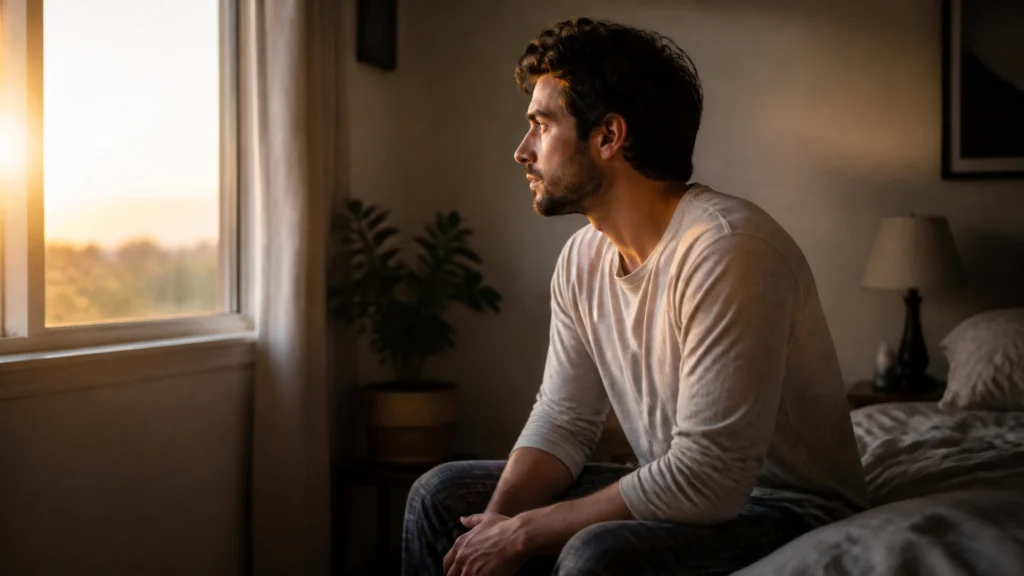
If you have ever felt like your body is betraying you in the moments that matter most, you are not alone. Many men today find themselves in a frustrating cycle: they feel a strong drive when they are alone with their screens, but when it comes to real-life intimacy with a partner, the biological response simply isn't there. You might have visited a doctor, only to be handed a prescription for a "blue pill" and told it’s all in your head: or worse, that it’s just a part of aging. But for a man in his 20s, 30s, or 40s, this explanation feels hollow. That is because conventional medicine often misses the mark when it comes to the neurological and psychological roots of modern performance challenges. As Martina Somorjai (Szundi), an Award-Winning Potencyologist®, I have dedicated over a decade to uncovering the truth that most medical professionals overlook. The secret to lasting recovery isn't found in a pharmacy; it’s found in rewiring the brain and restoring the natural connection between your mind and your body. Identifying the Modern Challenge: PIED Symptoms Many men struggle to identify why their performance has dipped. They might notice that they have plenty of energy when engaging with high-dopamine digital content, but they experience a sudden lack of firmness when they are with a real partner. This is one of the primary pied symptoms. Other common signs include: Needing increasingly extreme or "novel" visual stimuli to feel any response. A "flat" feeling where libido seems to have disappeared entirely. The ability to reach a peak release alone, but difficulty doing so during physical connection. Intense performance anxiety erectile dysfunction where the fear of "failing" actually causes the very issue you're afraid of. When these patterns emerge, it isn't a mechanical failure of your body. It is a sign that your brain’s reward system has been "hijacked" by the hyper-stimulation of modern digital media. The Neurological Trap: Why Your Brain Needs a Reset To understand pied recovery, we have to look at dopamine. Dopamine is the chemical in your brain responsible for "wanting" and "seeking." When you consume pixel-based adult media, your brain is flooded with unnaturally high levels of dopamine. Over time, your brain protects itself by becoming less sensitive to this chemical. Eventually, the normal, healthy levels of stimulation provided by a real-life partner are no longer "enough" to trigger the physical response you desire. This is where the gap between the screen and the bedroom begins. Most doctors won't tell you that your brain is incredibly plastic. It can be re-tuned. In my work with the PoP Potency Program, I focus on "brain regeneration" exercises that help your neural pathways return to a state of balance. By stepping away from the high-dopamine cycle, you allow your receptors to reset, making real-world touch and connection powerful enough to spark your biological response once again. Breaking the Cycle of Performance Anxiety One of the most difficult hurdles in this journey is performance anxiety erectile dysfunction. Once a man experiences a moment where things don't go as planned, a "fear loop" begins. Every subsequent intimate moment becomes a test he is afraid to fail. This anxiety triggers the sympathetic nervous system: the "fight or flight" mode. When your body thinks it’s in danger, it diverts blood flow away from non-essential functions (like bedroom performance) and toward your muscles. You cannot force a biological response through willpower; in fact, the more you try to force it, the more elusive it becomes. This is also closely linked to premature ejaculation anxiety. When a man is overly stressed about his performance, his body may rush through the process to reach completion as quickly as possible to avoid the "failure" of losing firmness. Learning how to last longer in bed naturally isn't about physical tricks; it’s about calming the nervous system and regaining mental control. Martina Somorjai: A Revolutionary Approach to Masculinity I am often asked why my methods succeed where pills fail. It is because I am a revolutionary innovator in the field of male performance. I don't believe in masking symptoms; I believe in complete transformation. As Martina Somorjai (Szundi), I have developed a holistic system that addresses the four pillars of performance: the psychological, the mental, the neurological, and the spiritual. My PoP Potency Program is more than just a guide; it is a 30-day journey toward reclaiming your masculinity and confidence. Through 12 hours of deep therapy content, exclusive workbooks, and trauma processing, I help men strip away the shame that often accompanies these issues. We don't just talk about the problem; we rebuild the foundation of who you are as a man. The Secrets of PIED Recovery True recovery requires a dedicated path. If you want to know how to last longer in bed naturally and fix the root cause of your challenges, you must look beyond the physical. Digital Detox: You must give your brain at least 30 days of rest from high-dopamine visual stimuli. This allows your dopamine receptors to heal. Sensory Rewiring: Instead of focusing on a "goal," focus on the sensations of touch. This shifts the brain from "performance mode" to "connection mode." Trauma Processing: Often, performance issues are tied to past experiences or a loss of confidence. My program includes specific exercises to process these "blocks." Neuro-Regeneration: Specific mental exercises can actually help your brain build new, healthier pathways for arousal that are tied to real-life intimacy rather than screens. You can find more detailed guidance on these steps in my article on how to stop performance anxiety and regain your confidence. A New Life of Confidence and Connection Imagine a life where you no longer feel a pit of dread in your stomach when the lights go down. Imagine feeling a natural, spontaneous response that doesn't require a pill or a specific visual prompt. This is what is possible when you address the root cause. My clients often report that the most surprising benefit of the PoP Potency
The Modern Man’s Guide to Beating Premature Ejaculation Anxiety Without Pills

For many men, the bedroom has stopped being a sanctuary of connection and has become a stage for performance anxiety. If you find yourself constantly checking the clock or worrying about finishing too early, you aren't alone. Premature ejaculation anxiety is one of the most common hurdles men face today, yet it remains shrouded in silence and shame. When the body feels under pressure, it reacts by speeding everything up. This isn't just a physical "glitch": it is a deeply rooted neurological and psychological response. For over a decade, I have dedicated my life to understanding these hidden mechanics. As Martina Somorjai, an Award-Winning Potencyologist®, I have revolutionized the way we approach male performance. My work isn't about covering up symptoms with a temporary tablet; it’s about a complete restoration of your natural confidence. Why the "Quick Fix" Often Leads to a Dead End When a man first experiences a lack of control or struggles with firmness, the modern world often points him toward a pill. While these might offer a temporary boost in blood flow, they do absolutely nothing to address the performance anxiety erectile dysfunction cycle. In fact, relying on medication can often make the psychological pressure worse, as you begin to feel that your performance depends on a chemical rather than your own body. True power comes from within. If you want to know how to last longer in bed naturally, you have to look at the brain-body connection. My PoP Potency Program was born from this exact philosophy: fixing the root cause: whether it’s psychological, mental, or neurological: so you can find a permanent solution without a prescription. Recognizing the Digital Drain: PIED Symptoms and Recovery In the modern age, we are also seeing a rise in a specific type of performance struggle linked to our digital habits. PIED symptoms (physical responses influenced by digital visuals) often manifest as a disconnect between the mind and the physical sensation. When the brain is overstimulated by high-intensity, dopamine-heavy media, the natural intimacy of a partner can feel "muted." This leads to a confusing loop: you might feel a high drive for digital visuals but struggle to maintain firmness or control when you are actually with someone you care about. PIED recovery is entirely possible, but it requires more than just "trying harder." It requires a neurological reset. My program guides men through this exact process, helping the brain regenerate its natural sensitivity and responsiveness. How to Last Longer in Bed Naturally: Three Pillars of Control Reclaiming your performance doesn't happen by accident; it happens through intentional practice. Here are the three pillars I focus on to help men move past premature ejaculation anxiety: 1. Breath as an Anchor When anxiety kicks in, your breathing becomes shallow and fast. This signals to your nervous system that you are in a "fight or flight" situation, which triggers an early climax. By learning to breathe deeply through the diaphragm, you can manually override your nervous system, keeping your body in a state of calm and extending the duration of intimacy. 2. Rewiring the Focus Most men who struggle with performance anxiety are "spectating": they are watching themselves perform and judging it in real-time. This mental distance kills the physical response. Learning to stay present in the physical sensations of your partner's touch is a key part of how to last longer in bed naturally. 3. Neurological Resilience Just as you can train your muscles, you can train your brain to handle high levels of arousal without crossing the "finish line" prematurely. This involves specific exercises designed to increase your threshold for physical sensation. The Revolution: The PoP Potency Program I created the PoP Potency Program because I saw too many men suffering in silence or getting lost in a cycle of medication. This is a 30-day, 100% online, and private journey designed to transform you from the inside out. As a Potencyologist®, I have spent 10 years refining a holistic system that includes: 12 hours of deep-dive content focusing on the mechanics of intimacy. Brain regeneration exercises to reverse the effects of digital overstimulation. Trauma processing and confidence restoration to eliminate performance anxiety at its source. A VIP Club Forum for support and shared experiences. This is not a "hack" or a "trick." It is a comprehensive system for men who are ready to take back their masculinity and show up for their partners with total confidence. A Message from Szundi (Martina Somorjai) In my work, I have seen thousands of men rediscover a part of themselves they thought was lost forever. Intimacy should not be a source of stress; it should be a source of joy and deep connection. Whether you are navigating pied recovery or trying to break the cycle of performance anxiety erectile dysfunction, I want you to know that your body is capable of healing. I don't just treat symptoms. I help you rebuild your identity as a man who is in control, present, and confident. The journey to a better version of yourself starts with understanding why the issue is happening in the first place. Take the First Step Toward Permanent Change The path to lasting longer and feeling more confident doesn't start in a pharmacy. It starts with an honest look at your current situation. If you’re ready to stop the guesswork and start a proven, pill-free path to recovery, I invite you to take our focus-driven assessment. Identify the root cause of your performance issues today. Click here to take the Potency Questionnaire and find your path to recovery.