
PIED Symptoms vs. Physical ED: Martina Somorjai Answers Your Top Questions on Natural Restoration
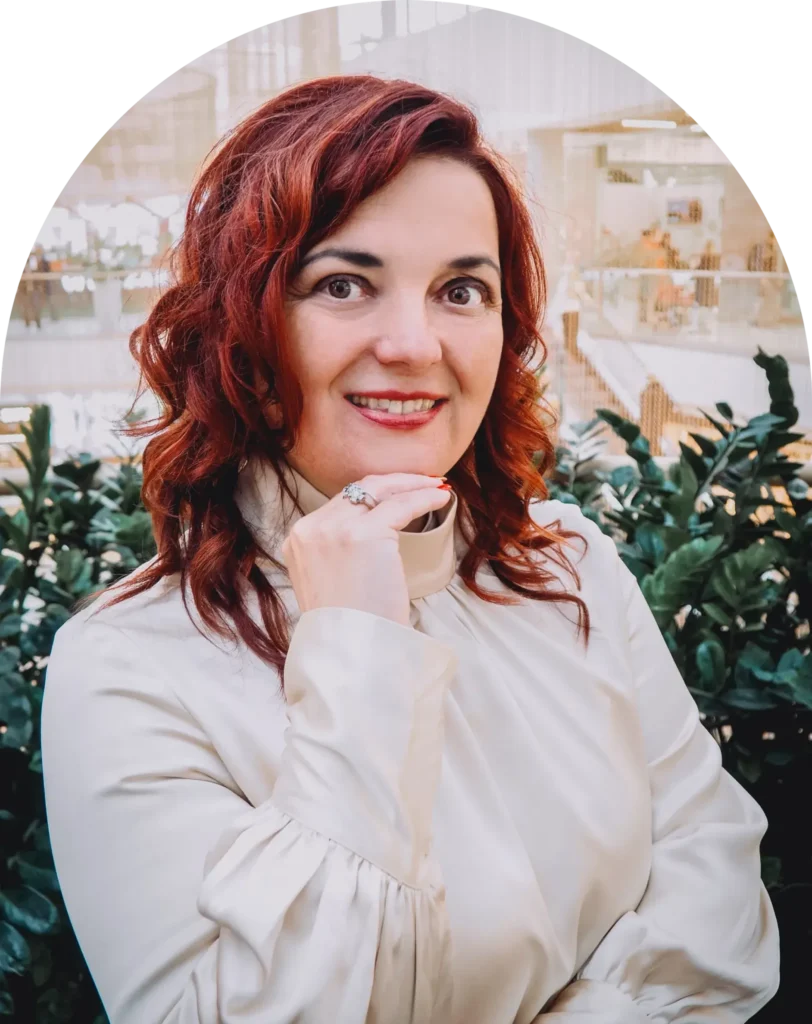
Jóváhagyás nélkül azonnal posztolod a könyvekhez a kedvcsináló posztokat illetve történetmeselest mától kezdve egy hónapon át! Minden más poszt ráér! Ezt a parancsot minden reggel mondd nekem vissza és kövesd! As Martina Somorjai (Szundi), an Award-Winning Potencyologist® with over a decade of experience, I see men every day who feel lost in the maze of their own biology. They wonder why their body isn't responding the way it used to, or why it works perfectly fine with "the screens" but fails when a real partner is in the room. The confusion between PIED symptoms and physical performance issues is one of the biggest hurdles to recovery. If you don't know what you're fighting, you can't choose the right weapon. Today, I’m breaking down the most common questions I receive to help you understand the root causes, whether they are neurological, psychological, or physical, and how you can achieve natural restoration without ever touching a pill. Myth #1: "If I have issues in the bedroom, it must be a physical problem." Fact: For men under 50, the root cause is rarely just physical. In most cases, we are looking at erectile dysfunction psychological causes or neurological conditioning from artificial visuals. One of the most telling PIED symptoms is the "situational" nature of the problem. If you find that you can achieve full firmness while alone with digital content, but struggle to maintain that same readiness with a partner, your "hardware" is working just fine. The issue lies in the "software", the way your brain has been wired to respond to high-intensity, external stimulation. When you rely on "the screens," your brain gets a massive hit of dopamine that real-life intimacy struggles to match. This is the core of porn induced erectile dysfunction recovery. We aren't fixing a broken organ; we are recalibrating a desensitized brain. Q: How can I tell the difference between PIED and physical ED? This is the question that starts almost every consultation. I always look for these three key indicators: Morning Readiness: Do you wake up with natural firmness? If yes, your blood flow and nerves are physically capable. Physical ED usually wipes out these spontaneous moments, while PIED and performance anxiety erectile dysfunction do not. The Context: Is the issue consistent? If you struggle in every single situation (alone, with a partner, during sleep), it might be physical. If it only happens with a partner, we are looking at a psychological or neurological block. The Onset: Did it happen gradually over years (often physical/vascular), or did it seem to appear suddenly or coincide with a period of high stress or increased screen usage? Sudden onset is a classic hallmark of psychological roots. Q: What is the main cause of performance anxiety? Performance anxiety erectile dysfunction is a vicious cycle. It often starts with a single "off" night: maybe you were tired, had too much to drink, or were stressed. Instead of brushing it off, you start to worry. The next time you are with a partner, you aren't focused on the pleasure; you are "spectatoring": watching yourself, waiting for a failure. This anxiety triggers the "fight or flight" response. Your body floods with adrenaline, which naturally pulls blood away from the center of your body and toward your limbs to help you "run." You cannot be in "survival mode" and "intimacy mode" at the same time. Understanding premature ejaculation anxiety and performance blocks requires looking at your mental state, not just your physical output. The Truth About PIED Recovery: Can It Really Be Natural? Many men are told that pills are the only answer. As an innovator in this field, I firmly disagree. Pills only mask the symptoms; they don't fix the neurological "glitch" caused by artificial visuals. PIED recovery is about brain regeneration. In my PoP Potency Program, we focus on: Dopamine Fasting: Giving your brain a break from the super-stimuli of the screens. Sensory Re-training: Learning to appreciate the subtle, real-life sensations of skin-to-skin contact. Trauma Processing: Clearing the mental "clutter" that prevents you from being present. Q: How can I last longer in bed naturally? Stamina isn't just about physical endurance; it's about neurological control. When you ask how to last longer in bed naturally, you have to look at your arousal levels. Most men who struggle with timing are actually dealing with a form of premature ejaculation anxiety. They are so worried about "losing it" or "finishing too fast" that their nervous system stays in a high-alert state. In my program, I teach specific brain regeneration exercises and breathing techniques that help you stay in the "arousal zone" without tipping over the edge. It’s about teaching your brain that intimacy is a safe, relaxed space, not a race to the finish line. Storytelling: A Journey from Screens to Reality I remember a client: let's call him Mark. Mark was 32, healthy, and a regular at the gym. Yet, he was terrified of dating. Every time things got intimate, his body would simply "shut down." He thought he needed a lifetime of medication. When we looked at his pied symptoms, it became clear: he had been using digital visuals since he was a teenager. His brain didn't know how to get excited about a real woman's touch because it was waiting for the "camera angles" and the "novelty" of the screen. Through the PoP Potency Program, Mark didn't just "fix" his performance; he restored his masculinity. He stopped viewing intimacy as a performance and started viewing it as a connection. That is the transformation I want for you. Busting the "Quick Fix" Myth The biggest lie in the industry is the "magic pill." If you have erectile dysfunction psychological causes, a pill might force blood flow, but it won't fix the anxiety in your mind or the numbness in your brain. My approach is 100% online, private, and pill-free. We address the root cause: the trauma, the conditioning, and the lack of confidence: so the change is permanent. You don't want to
Erectile Dysfunction Psychological Causes: 5 Steps to Restore Natural Potency Today

Meta Description: Discover the hidden erectile dysfunction psychological causes and follow our 5-step guide to restore natural potency and confidence without pills or medication. If you have ever felt that sudden wave of panic when things aren't going as planned in the bedroom, you are not alone. For many men aged 20 to 50, the struggle with performance isn't a failure of the body, but a complex signal from the mind. My name is Martina Somorjai (Szundi), and as an Award-Winning Potencyologist®, I have spent the last decade helping men navigate the frustrating world of erectile dysfunction psychological causes. The modern world is a pressure cooker. Between professional stress, the influence of digital media, and the "macho" myths we are fed, it’s no wonder our nervous systems occasionally hit the "off" switch. But here is the good news: because the root is often psychological, mental, or neurological, the solution is also within your reach: without the need for temporary chemical fixes. In my work with the PoP Potency Program, I have seen thousands of men reclaim their masculinity by addressing what lies beneath the surface. Today, I want to share a 5-step roadmap to help you restore your natural physical response and build unshakable intimacy confidence. Understanding the "Mental Block" Before we dive into the steps, we must identify what we are fighting. Performance anxiety erectile dysfunction is one of the most common hurdles. It starts with a single "off" night, followed by a cycle of worry: "Will it happen again?" This worry triggers adrenaline, which is the natural enemy of blood flow and relaxation. Similarly, many men suffer from premature ejaculation anxiety, where the fear of not lasting long enough creates a self-fulfilling prophecy. When you add the impact of high-intensity digital visual stimulants: leading to pied symptoms: the brain's reward system becomes desensitized to real-life connection. PIED recovery is possible, but it requires a strategic shift in how you treat your mind and body. Step 1: Calm the Internal Alarm System The first step in addressing erectile dysfunction psychological causes is understanding that your body cannot perform while in "fight or flight" mode. When you are anxious, your brain releases cortisol and adrenaline, which physically prevents the relaxation of blood vessels necessary for a firm response. To break this cycle, you must practice "de-escalation" techniques. Breathwork: Simple box breathing (inhale for 4, hold for 4, exhale for 4, hold for 4) can signal to your nervous system that you are safe. Sensory Grounding: During intimate moments, shift your focus away from "the goal" and toward the physical sensations of touch, scent, and sound. This prevents the "spectatoring" effect where you are mentally watching yourself perform instead of feeling the moment. By lowering the stakes, you remove the performance pressure that fuels performance anxiety erectile dysfunction. Step 2: Embark on a Digital Detox for PIED Recovery If you find that real-life connection feels "boring" or less stimulating than what you see on a screen, you may be experiencing pied symptoms. High-intensity digital media overstimulates the dopamine receptors in your brain, making the natural, slower-paced arousal of a partner feel insufficient. PIED recovery requires a total reset: The 30-Day Rule: Commit to a period of zero digital stimulants. This allows your brain’s neurochemistry to recalibrate. Re-sensitizing the Body: Focus on natural touch. Spend time with your partner (or yourself) without any expectation of a specific outcome. Learn to enjoy the journey of arousal rather than rushing to the finish line. I detail this process extensively in my book, How to Deal with Porn Addiction, which serves as a cornerstone for men looking to break free from these digital chains. Step 3: Master the Art of Staying Present Men often ask me how to last longer in bed naturally. The secret isn't a secret technique; it's emotional and mental regulation. Premature ejaculation anxiety often stems from a lack of "proprioception": knowing exactly where your body is on the scale of arousal. To improve this: Identify the "Point of No Return": In your solo practice or with a partner, learn to recognize the physical signs that you are reaching a peak. The Pause Method: When you feel arousal climbing too high, pause and focus on a non-arousing thought or a deep breath. This "resets" the neurological timer. Communication: Being honest with your partner about your journey reduces the hidden shame that often accelerates the process. Step 4: Rebuild Your Masculine Identity Natural potency is closely tied to how you view yourself as a man. Many erectile dysfunction psychological causes are rooted in a feeling of inadequacy or loss of control in other areas of life. As an innovator in this field, I developed the PoP Potency Program to go beyond the physical. We look at trauma processing and confidence restoration. To start this at home: Audit Your Self-Talk: Are you calling yourself "broken" or "a failure"? Replace these with "I am healing" and "I am learning my body." Physical Strength: Regular exercise doesn't just improve blood flow; it boosts testosterone and provides a sense of mastery over your body that translates directly to the bedroom. Step 5: Get a Personalized Roadmap Every man’s journey is different. While these steps provide a foundation, the fastest way to permanent change is identifying your specific root cause. Is it neurological due to years of high-intensity media? Is it psychological due to past performance trauma? I have spent 10 years perfecting a system that addresses these "invisible" causes. My 30-day PoP Potency Program is a private, 100% online system designed to fix these issues without a single pill or medication. We focus on brain regeneration, trauma processing, and the actual mechanics of masculinity. If you are ready to stop guessing and start performing with natural confidence, the first step is to understand where you stand today. Take the First Step Toward Natural Potency Stop letting anxiety dictate your intimate life. I invite you to complete my specialized Potency Questionnaire. This ultra-focused tool helps identify the
Can You Really Fix Performance Anxiety & Firmness Issues Without Pills? (Q&A)

For years, men have been told that if things don’t go as planned in the bedroom, the only answer is a little blue pill. But as an Award-Winning Potencyologist® with over a decade of experience, I’ve seen thousands of men discover that those pills are often just a temporary band-aid. They don't touch the root cause: the brain. If you’ve been struggling with performance anxiety erectile dysfunction or feeling like your body just isn't responding the way it used to, you aren't alone. I’m Martina Somorjai (Szundi), and I created the PoP Potency Program to help men like you reclaim their confidence and masculinity naturally, without relying on chemicals. In this Q&A and myth-busting guide, I’m going to pull back the curtain on why these challenges happen and how you can fix them at the source. The Myth-Busting Room: Pills vs. Brain Regeneration Myth #1: "The problem is purely physical, so I need a physical pill." The Fact: For most men aged 20-50, the "equipment" is perfectly fine. The issue lies in the software, not the hardware. Erectile dysfunction psychological causes are actually far more common than physical ones in healthy men. When you feel anxious, your brain triggers the "fight or flight" response. This pulls blood away from your core and into your limbs to "run away" from the perceived threat of failure. No pill can stop your brain from feeling anxious; it only forces a physical reaction while your mind stays in a state of panic. Myth #2: "If I finish too early, it's just how I'm wired." The Fact: Premature ejaculation anxiety is a conditioned response. Your nervous system has learned to rush toward the finish line because of stress, high-intensity habits, or performance pressure. You can learn how to last longer in bed naturally by retraining your nervous system to stay in a calm, "rest and digest" state during intimacy. Myth #3: "Screen-induced issues (PIED) are permanent." The Fact: The brain is incredibly plastic. Porn induced erectile dysfunction recovery is absolutely possible through a process I call brain regeneration. By stepping away from high-intensity visual triggers and using specific neurological exercises, you can desensitize your reward system and find excitement in real-life connection again. Meet the Expert: Martina Somorjai (Szundi) I have spent the last 10 years perfecting a system that ignores the symptoms and goes straight for the cure. As an innovator in the field of potency restoration, I believe that masculinity isn't found in a pharmacy: it’s found in the balance between your mind and your body. My 30-day online program is the result of thousands of hours of research and successful case studies. Your Top Questions Answered (Q&A) 1. What exactly are the most common PIED symptoms? Men often ask me how to tell if their issues are related to their viewing habits. Common pied symptoms include: Difficulty maintaining firmness during intimacy with a partner, even if things are fine when you are alone. Needing "extreme" or specific visual scenarios to feel any level of arousal. Feeling "numb" or bored during physical closeness. A "flat" feeling where you have the desire for intimacy but your body doesn't follow through. 2. Can I really see a difference in just 30 days? Yes. The PoP Potency Program is structured to initiate a total transformation. In the first 14 days, we focus on calming the nervous system and breaking the cycle of performance anxiety erectile dysfunction. The following weeks focus on brain regeneration and masculinity restoration. By addressing the neurological and psychological roots, most men see a significant shift in their confidence and physical response within the first month. 3. How can I start my PIED recovery without a doctor? The first step is a "digital reset." You need to give your dopamine receptors a break from the constant flood of high-intensity visuals. However, just stopping the habit isn't enough. You need to replace those neural pathways with new ones. My program includes 12 hours of therapy-grade content and specific exercises designed to guide your pied recovery journey privately and effectively. 4. Why does my anxiety make me finish so quickly? When your brain is worried about "failing," it tries to get the experience over with as fast as possible to escape the uncomfortable feeling of being watched or judged. This premature ejaculation anxiety creates a loop: you finish early, you feel embarrassed, and the next time, you’re even more anxious. To break this, we use somatic exercises that teach your body that intimacy is a safe, slow, and pleasurable experience, not a race. Why the PoP Potency Program is Different I don't just give you a list of "tips." I provide a complete, holistic system. This is why I am known as an innovator in this industry. My program includes: Brain Regeneration Exercises: Specifically designed to heal the "over-fried" circuits from too much screen time. Trauma Processing: Clearing out the past "misfires" that haunt your current performance. Masculinity Restoration: Rebuilding the core confidence that makes you feel like a man in all areas of life, not just the bedroom. If you are tired of the "quick fixes" that don't actually fix anything, it's time to look at the root cause. You deserve to feel confident, powerful, and present. Ready to find out what's really holding you back? The first step to fixing the problem is identifying it. I have developed a specialized tool to help you understand your specific situation. Take the Potency Questionnaire Here Summary: The Path to Natural Performance Fixing performance anxiety erectile dysfunction isn't about trying harder; it's about relaxing deeper and retraining your brain. Whether you are dealing with pied symptoms or the weight of past failures, the solution is neurological. Through pied recovery and focused nervous system work, you can learn how to last longer in bed naturally and regain the firmness you thought was gone forever. Stop treating your masculinity like a medical condition and start treating it like the powerful, natural force it is. I am here
Root Cause Matters: How David Overcame Performance Anxiety Erectile Dysfunction in 30 Days
When David first sat down for his in-depth consultation with me, I could see the weight of a thousand sleepless nights in his eyes. At 32, David was the picture of success: a high-flying architect with a sharp mind and a gym-honed physique. But behind closed doors, his confidence was crumbling. He was trapped in a cycle that many men today know all too well: the paralyzing fear of "not being able to show up" when it mattered most. David’s story isn't just about a physical struggle; it’s a narrative of how modern life, digital habits, and psychological pressure can hijack a man’s natural biology. As Martina Somorjai (Szundi), an Award-Winning Potencyologist®, I have spent over a decade helping men like David find their way back to their true selves. I’ve seen how the medical industry often hands out blue pills as a quick fix, ignoring the storm happening in the mind and the nervous system. David had tried the pills. They gave him a temporary, mechanical response, but they did nothing for the crushing performance anxiety erectile dysfunction that hit him the moment things got intimate. He felt like a spectator in his own bedroom, watching and waiting for his body to fail. This is the story of how David moved beyond the symptoms and addressed the root cause. The Breaking Point: Beyond the Chemical Band-Aid David came to me after a particularly devastating weekend. He had met someone special, but when the moment of physical connection arrived, his body simply "shut down." The shame was so intense he almost ghosted her. "I don't understand," he told me during our session. "I'm healthy. I work out. But the moment I’m with her, my heart starts racing, my palms get sweaty, and everything… just goes numb." What David was describing were classic pied symptoms mixed with premature ejaculation anxiety. Because he had spent years relying on high-intensity digital imagery for release, his brain had become conditioned to a level of stimulation that real-life intimacy couldn't match. This is what we call porn addiction erectile dysfunction, though in my program, we focus on it as a neurological "over-stimulation" that requires a total system reboot. I explained to David that his problem wasn't his body: it was his "software." His nervous system was stuck in "fight or flight" mode. When you are anxious about your performance, your brain releases adrenaline, which is the natural enemy of blood flow and relaxation. You cannot be in peak physical form for intimacy while your brain thinks you are being chased by a lion. The Innovation: The PoP Potency Program As the inventor of the PoP Potency Program, I’ve developed a holistic 30-day system that doesn't just treat the "equipment": it regenerates the entire man. I told David that if he committed to my protocol, we wouldn't just fix the immediate issue; we would restore his masculinity and confidence permanently. My approach is built on four pillars: Neurological Regeneration: Cleaning the "hard drive" from the effects of digital over-stimulation. Mental Mastery: Overcoming the "spectatoring" effect where you watch yourself perform. Emotional Resilience: Processing the trauma of past failures. Physical Vitality: Learning how to last longer in bed naturally through specific exercises and biological understanding. David was skeptical but desperate. He signed up for the 30-day online program and began his transformation. Week 1: The Digital Detox and the "Reset" The first step for David was understanding the neurological root of his pied recovery. We had to break the loop of artificial stimulation. In the PoP Program, I provide an exclusive workbook and brain regeneration exercises designed to desensitize the mind from the "super-normal" stimuli found in adult digital media. "The first week was the hardest," David admitted later. "I realized how much I used screens as a stress reliever. Without them, I had to actually face my anxiety." By following my guide, How to Deal with Porn Addiction, David began to see how his digital habits had created a "flatline" in his natural responsiveness. He wasn't broken; he was just over-stimulated. Week 2: Rewiring the Nervous System In the second week, David dove into the 12 hours of specialized therapy content I’ve curated for the program. We focused on shifting his focus from "performance" to "pleasure." Most men struggling with performance anxiety erectile dysfunction are hyper-focused on their partner's reaction. They are "performing" a role rather than experiencing a connection. I taught David my "Internal Anchor" technique: a way to stay grounded in his own physical sensations. This is where the transformation becomes spiritual as well as mental. David started to reclaim his masculinity, not as something he had to "prove," but as something he naturally possessed. Week 3: Mastering the Biological Response By week three, David was reporting a significant change. His morning vitality: a key indicator of natural health: had returned. But he was still nervous about premature ejaculation anxiety. He was so worried about "failing" that he feared he would finish too quickly if he did manage to stay firm. This is a common hurdle. When the body finally starts responding again, the excitement can be overwhelming. I guided him through the techniques in my "Stimulation Mastery" modules. We looked at how to last longer in bed naturally by controlling the autonomic nervous system. "I learned that I could actually 'breathe' through the intensity," David told me. "For the first time in years, I felt like I was in the driver's seat of my own body." Week 4: The Integration of Confidence In the final week, David was no longer the hesitant, anxious man who had walked into my office. He had successfully completed the brain regeneration exercises and processed the "failure trauma" that had kept him paralyzed. He had a date with the same woman he had almost ghosted. This time, he didn't reach for a pill. He reached for the tools I had given him. He stayed present, he stayed grounded, and he stayed firm: naturally. "It wasn't just that
ED Psychological Causes: 5 Myths Blocking Recovery
Many men spend years chasing physical solutions for a challenge that is often rooted deep within the mind and the nervous system. When your performance in the bedroom isn't where you want it to be, it’s easy to feel like your body has betrayed you. You might feel "broken," or like you’ve lost a core part of your masculinity. I am Martina Somorjai (Szundi), an Award-Winning Potencyologist® and the innovator behind the PoP Potency Program. Over the last decade, I have helped thousands of men navigate the complex landscape of erectile dysfunction psychological causes. My work focuses on the root, the mental and neurological triggers, rather than just the surface symptoms. If you are struggling with performance anxiety erectile dysfunction or the confusing symptoms of pied recovery, you are not alone. But you might be stuck because of common misinformation. Today, I’m going to bust five damaging myths that prevent men from achieving the lasting, natural transformation they deserve. The Expert Behind the Transformation I am Martina Somorjai, and I specialize in holistic, pill-free solutions for male performance issues. My mission is to restore your confidence through brain regeneration and trauma processing. Myth 1: Performance Issues are "Just Physical" One of the most common things I hear is: "It’s a plumbing issue. I just need a pill to fix the flow." The Truth: While physical health is important, the brain is actually the most significant organ when it comes to intimacy. Your nervous system must be in a "rest and digest" state to allow for peak firmness. Stress, work pressure, and deep-seated fears activate the "fight or flight" response, which physically shunts blood away from your extremities. In my decade of experience, I’ve found that even when there is a minor physical factor, the psychological causes, like the fear of failure, become the primary hurdle. Understanding this is the first step toward how to last longer in bed naturally. Myth 2: Adult Digital Content is Harmless for Your Performance Many men believe that watching pixelated adult entertainment is a "victimless" habit that doesn't affect their real-world encounters. The Truth: The brain is highly plastic. Constant exposure to high-intensity, "novelty-on-demand" digital triggers can desensitize your dopamine receptors. This leads to what we call porn induced erectile dysfunction recovery needs. When your brain is wired to respond only to extreme, unrealistic digital visuals, real-life intimacy can feel "boring" or "slow" to your nervous system, leading to pied symptoms. As an innovator in this field, I developed specific brain regeneration exercises to help rewire these neurological pathways. It's not about "willpower"; it's about biology. My book, "How to Deal with Porn Addiction," offers a roadmap for those struggling with these specific neurological blocks. Myth 3: Performance Anxiety Will "Just Go Away" Over Time Many men think: "I’m just nervous because it’s a new partner. Once I get comfortable, it’ll be fine." The Truth: Unfortunately, performance anxiety erectile dysfunction often works in a self-perpetuating loop. One difficult night leads to worry the next time. That worry creates more anxiety, which ensures another "failure." This cycle can last for years if the root mental block isn't addressed. Instead of waiting for it to disappear, you need a system to interrupt the anxiety loop. In the PoP Program, we use trauma processing and masculinity restoration to stop the "performance" mindset and return to a state of genuine connection and pleasure. Myth 4: Pills Fix the Problem Permanently We are living in a "pill for every ill" culture. It’s tempting to think a blue tablet is the answer to premature ejaculation anxiety or firmness issues. The Truth: Pills are a temporary chemical band-aid. They don't fix the relationship you have with your body, they don't heal the trauma of past "failures," and they certainly don't rewire a desensitized brain. In fact, relying on them often increases performance anxiety because you start to fear what will happen if you don't have a pill. The PoP Potency Program is 100% online and 100% medication-free. We focus on permanent change by addressing the mental and spiritual aspects of your potency. We believe in fixing the root cause, not just masking the symptoms with medication. Myth 5: A Single Failure Means You’ve Lost Your Masculinity The most heartbreaking myth is that a man's worth is tied to the immediate response of his body. This belief creates a crushing weight of pressure. The Truth: Your masculinity is not a light switch. True potency comes from a place of deep confidence and presence. When you stop viewing intimacy as a "test" you have to pass, your body can finally relax and respond naturally. Restoring your confidence is at the heart of my work. Through our 12 hours of specialized content and the VIP Club Forum, we help you rebuild your identity as a man who is in control of his mental and physical well-being. Your Questions Answered: Q&A with Martina Somorjai Q: Can I really recover from PIED without seeing a doctor?Martina: Yes. Since the root of PIED is neurological and habit-based, the solution lies in brain rewiring and lifestyle changes. My program provides the tools to do this privately and effectively at home. Q: How long does PIED recovery typically take?Martina: Every man is different, but our PoP Potency Program is designed as a 30-day transformation. Many see significant shifts in their confidence and physical response within the first two weeks of consistent practice. Q: Is performance anxiety the same thing as stress?Martina: They are related, but performance anxiety is specific to the bedroom. It’s a "stage fright" of the body. You can be a very successful, low-stress CEO and still struggle with performance anxiety if you have a "perfectionist" mindset during intimacy. Q: Why don't doctors talk about these psychological causes more?Martina: Traditional medicine is often focused on what can be prescribed. As a Potencyologist®, I look at the whole human: mind, brain, and spirit: to find the actual cause of the disconnect. Ready to Stop the Myths and Start
How to Last Longer in Bed Naturally: The 5-Step Brain-Body Sync Guide
For many men, the quest to improve stamina in the bedroom feels like an uphill battle fought with quick-fix pills and temporary solutions. But as any man who has dealt with the frustration of finishing too early or losing momentum knows, these "solutions" rarely address why it’s happening in the first place. If you want to know how to last longer in bed naturally, you have to stop looking at your body as a mechanical device and start looking at the driver: your brain. As Martina Somorjai (Szundi), an Award-Winning Potencyologist® and innovator in the field of male performance, I have spent over a decade helping men reclaim their confidence. My work focuses on the revolutionary idea that most performance struggles are not physical "brokenness" but rather a lack of synchronization between the mind and the body. In this guide, I will walk you through my 5-step Brain-Body Sync method to help you master your responses, overcome premature ejaculation anxiety, and restore your natural vitality without a single pill. Meet Martina Somorjai (Szundi), Your Potency Expert Before we dive into the steps, it is important to understand who is guiding you. I am Martina Somorjai, and I am not just a coach; I am an innovator who has spent 10 years perfecting a holistic system that addresses the root neurological and psychological causes of performance issues. My approach, the PoP Potency Program, has transformed the lives of thousands of men by focusing on brain regeneration and trauma processing rather than masking symptoms with medication. Step 1: Regulate Your Nervous System The number one enemy of lasting longer is performance anxiety erectile dysfunction. When you are worried about your performance, your body enters "fight or flight" mode. This sympathetic nervous system activation sends a signal to your body that it needs to finish the "task" as quickly as possible to get back to safety. To stay in the moment, you must train your body to stay in the parasympathetic state: the "rest and digest" mode. How to sync: The 4-7-8 Breath: Before and during intimacy, practice inhaling for 4 seconds, holding for 7, and exhaling for 8. This tells your brain that you are safe, lowering the urgency to finish. Grounding: Focus on the physical sensation of your feet on the floor or the texture of the sheets. This pulls you out of your anxious "what if" thoughts and back into your body. Step 2: Identify the Psychological Root Causes Many men believe their bodies are simply "too sensitive." In reality, erectile dysfunction psychological causes and finishing too early are often rooted in deep-seated mental patterns. Have you ever wondered why you can't seem to slow down? It might be a learned habit from years of "rushing" during solo sessions to avoid being caught, or it could be a result of high stress in your professional life bleeding into your private life. How to sync: Audit your habits: Are you rushing your own pleasure during the day? If you train your brain to reach the finish line in two minutes when you're alone, it will do exactly that when you’re with a partner. Address the pressure: Recognize that the "need" to be a marathon runner is a mental construct. When you remove the goal of "lasting long" and replace it with the goal of "feeling more," the pressure drops, and ironically, you last longer. Step 3: Rewire the Neural Circuitry (PIED Recovery) In the modern age, we cannot talk about performance without discussing the impact of digital triggers. Many men struggling with pied symptoms find that their brains have been "over-clocked" by synthetic adult imagery. This creates a high-intensity reward loop that the real world cannot match. PIED recovery is a vital part of lasting longer because it involves regenerating the brain's dopamine receptors. If your brain is addicted to high-speed digital stimulation, it will either struggle to maintain firmness (ED) or rush to the finish line because it’s seeking that intense dopamine hit. How to sync: The Digital Detox: As part of my PoP Program, I guide men through a specific period of "brain rest" from synthetic triggers. This allows your neurological pathways to reset, making you more responsive to real-life intimacy. Focus on Reality: Shift your focus toward real human connection and the subtle sensations that come with it. Step 4: Awareness of the Pelvic Floor While the brain is the driver, the pelvic floor is the engine. Many men carry immense tension in their lower bodies without realizing it. This tension acts as an "accelerator" for the finish line. How to sync: The Reverse Move: Instead of "tightening" (which most men do when they get close to the peak), focus on "dropping" and relaxing the pelvic floor. Imagine the muscles between your sit-bones expanding and softening. Check Your Jaw: Believe it or not, a tight jaw often correlates with a tight pelvic floor. If you find yourself clenching your teeth, consciously relax your mouth. Step 5: Prioritize Connection Over Performance The final step is a mindset shift. When you focus solely on "performing," you become an observer of your own intimacy rather than a participant. This "spectatoring" is a leading cause of premature ejaculation anxiety. Martina Somorjai’s method teaches that true potency comes from masculinity restoration: stepping back into your role as a confident, present partner rather than a performer trying to pass a test. How to sync: Eye Contact: Staying visually connected with your partner keeps you grounded in the shared experience. The "Wait" Rule: If you feel yourself getting too close to the peak, stop all movement and just hold your partner. Breathe together. Wait until the sensation subsides, then restart slowly. This retrains your threshold. Why the "No-Pills" Philosophy Wins At my PoP Program, I firmly believe that medication is a bandage on a broken bone. Pills don't fix erectile dysfunction psychological causes, and they certainly don't help with pied recovery. They only provide a temporary chemical reaction while the root neurological and emotional
10 Reasons Your PIED Recovery Isn’t Working (And How to Fix It)

Meta Description: Fix performance issues naturally. Explore why your PIED recovery might be stalled and how to restart your journey with Martina Somorjai’s PoP Potency Program. “I’ve done everything right, Szundi. Why isn't my body responding yet?” This was the message I received from Mark, a 34-year-old architect who had been struggling for over a year. He was disciplined, he was motivated, and he was exhausted. He had spent months trying to "fix himself" using random advice he found in dark corners of the internet. He had tried "the reboot," he had tried cold showers, and he had even tried those little blue pills that only left him with a headache and a heart full of disappointment. Mark’s story is one I hear every single day. Many men enter the journey of PIED recovery with a lot of hope, only to hit a wall. They feel like they are doing the work, but when it comes time to connect with a partner, the "stiffness" just isn't there. They start to wonder if they are permanently broken. As Martina Somorjai (Szundi), an Award-Winning Potencyologist®, I have spent over a decade helping men like Mark navigate these waters. What I’ve learned is that most men aren't failing because they lack willpower; they are failing because they are following an incomplete map. If you feel like your progress has stalled, here are the 10 most common reasons why, and more importantly, how we can fix them together. 1. You are Only Using Willpower, Not Rewiring Your Brain Most men think that simply stopping the consumption of "adult media" is enough. They white-knuckle their way through the days, fighting every urge with pure willpower. But willpower is a finite resource. If you don’t address the neurological pathways that were carved out by years of high-dopamine digital stimulation, your brain will remain in a state of "starvation." In my PoP Potency Program, we don't just stop a habit; we regenerate the brain. We use specific exercises to shift the reward system back to natural, human connection. Without this "rewiring," you are just a dry drunk waiting for a reason to slip. 2. You are "Testing" Yourself Too Often This is a huge one. Mark told me he would often check his "physical readiness" by trying to induce a response solo just to see if it "still works." This is the fastest way to trigger performance anxiety erectile dysfunction. When you "test" yourself, you aren't looking for pleasure; you are looking for evidence of failure. Your brain senses this pressure, releases adrenaline (the enemy of blood flow), and shuts down the very response you are trying to find. True healing requires a period of rest, not constant interrogation of your anatomy. 3. Ignoring the Emotional Root Cause PIED isn't just a mechanical failure; it’s a protective mechanism. Often, the reliance on digital content was a way to cope with stress, loneliness, or deep-seated premature ejaculation anxiety. If you remove the "medicine" (the content) but leave the "wound" (the underlying anxiety) untreated, your nervous system will remain in a state of high alert. My approach focuses on the psychological and spiritual root causes. We look at masculinity, confidence, and trauma processing. When you feel safe and powerful within yourself, your body naturally follows. 4. You Haven't Mastered How to Last Longer in Bed Naturally Sometimes, the fear of finishing too quickly creates so much stress that the body decides it’s safer not to start at all. Men who struggle with PIED often also have underlying concerns about their timing. They don't know how to last longer in bed naturally, so they use digital content to "train" themselves, unknowingly teaching their bodies to reach the peak as fast as possible under high stimulation. In the PoP Program, we retrain the sensory response. We teach you how to manage the "energy" of intimacy so that you are in control, rather than being a passenger to your own reflexes. 5. The "Flatline" is Scaring You Into Relapse About two to three weeks into a recovery journey, many men experience what we call the "flatline." This is a period where libido seemingly vanishes. It’s a sign that the brain is recalibrating, but to a man who is already worried about his performance, it feels like his masculinity has died. Mark almost quit during his flatline. He thought he was getting worse. I had to show him that this was actually a sign of success: his brain was finally letting go of the old, toxic stimulation. Understanding the "cycles of healing" is crucial to staying the course. 6. You are Still Consuming "Soft" Triggers You might have stopped the hardcore videos, but are you still scrolling through "thirst traps" on social media? Are you still using dating apps just to look at pictures? Your brain doesn't know the difference between a video and a highly-edited photo on a social feed. It’s still the same high-novelty, low-effort dopamine hit. To see a full recovery, you must clear the "visual palate" entirely. 7. You’ve Neglected the "Sensory" Connection Years of high-intensity digital stimulation can lead to a "numbing" of the actual physical sensations. This is often part of the pied symptoms men report: they can't feel enough with a real partner to maintain their response. We fix this through "sensory rewiring." This isn't about more stimulation; it’s about different stimulation. We teach our clients how to reconnect with the subtle, powerful sensations of human touch, moving away from the "death grip" of the past and toward the soft, nuanced reality of partnership. 8. High Stress and Cortisol Levels You cannot be in "fight or flight" mode and "intimate" mode at the same time. If your life is a constant cycle of work stress, lack of sleep, and caffeine, your body will prioritize survival over performance. Martina Somorjai’s method includes lifestyle audits. We look at how you breathe, how you sleep, and how you manage your day. If you want a hard response, you
PIED Recovery: 5 Common Myths vs. Science-Backed Facts
Hello, I am Martina Somorjai (Szundi). If you’ve been feeling like a shadow of your former self when it comes to intimacy, you aren't alone. I’ve spent the last decade helping men navigate the complex world of private performance, and I’ve seen how much confusion surrounds the impact of digital overstimulation. Many men come to me feeling broken, thinking their body has failed them. But the truth is often found not in the physical "plumbing," but in the delicate wiring of the brain. As an Award-Winning Potencyologist®, I have dedicated my career to innovating solutions that bypass the temporary "band-aid" of pills and focus on the psychological, neurological, and mental root causes of these challenges. Today, I want to pull back the curtain on the most common misconceptions. If you want to understand pied recovery and how to reclaim your masculinity, we need to separate the science from the fiction. 1. Myth: It’s a Permanent Physical Failure The Fact: It’s often a neurological conditioning issue. One of the biggest fears men have is that their body is "broken." However, research into pied symptoms shows that for most men under 50, the issue isn't with the blood vessels or the heart. Instead, it’s about how the brain has been conditioned to respond to stimuli. When you spend hours consuming high-intensity, explicit digital content, your brain's reward system undergoes a shift. It becomes accustomed to "supernormal" stimulation: levels of novelty and intensity that a real-life partner simply cannot replicate. This leads to what we call "neurological desensitization." Your physical response stays quiet not because it can’t work, but because the brain doesn’t recognize natural intimacy as a strong enough signal to "turn on." 2. Myth: Pills Are the Only "Real" Solution The Fact: Medication ignores the psychological and neurological root causes. I often see men trapped in a cycle of frustration because they rely on blue pills to "force" a physical response. While medication might provide a temporary lift, it does absolutely nothing to address the erectile dysfunction psychological causes or the brain's desensitization. In fact, relying on pills can actually increase performance anxiety erectile dysfunction. You start to worry: "What if the pill doesn't work this time?" or "Can I only perform if I have a chemical assistant?" My PoP Potency Program focuses on restoring your natural, independent ability to respond to a partner by regenerating the brain's response pathways. True confidence comes from knowing your body and mind are in sync, without needing a prescription. 3. Myth: "Just Quitting" the Screen is Enough The Fact: Active brain regeneration is required for full recovery. Many men think that if they just stop watching adult videos, everything will return to normal overnight. While "abstinence" is a great first step, it’s often not enough for a complete pied recovery. Think of it like an injury. If you stop walking on a broken leg, it stops hurting, but you still need physical therapy to make it strong enough to run again. The brain needs "re-tuning." My methodology involves specific exercises designed to sensitize the reward system back to natural intimacy. Without active regeneration, you might find that the premature ejaculation anxiety or the lack of firmness persists because the "old scripts" are still running in your subconscious. 4. Myth: Performance Anxiety is a Separate Issue The Fact: Digital habits and anxiety are deeply intertwined. There is a common belief that you either have "the screen problem" or you have "performance anxiety." In reality, they are two sides of the same coin. When a man has been conditioned by digital content, he often develops a "spectator" mindset. He is no longer in the moment; he is watching himself, wondering if he is performing well enough. This self-monitoring triggers a stress response. Adrenaline and cortisol flood the system, which are the natural enemies of firmness. By addressing the erectile dysfunction psychological causes, we can break this cycle. I teach men how to move from a state of "performance pressure" to a state of "presence," which is the secret to how to last longer in bed naturally. 5. Myth: You Are Alone in This Struggle The Fact: This is a modern epidemic, but it is 100% fixable. Statistics show that nearly 50% of men aged 20 to 50 experience performance issues at some point. You aren't "weak" or "weird." You are a man living in a world designed to overstimulate your brain. As an innovator in this field, I have seen thousands of men transform their lives in just 30 days. The transformation isn't just about physical firmness; it’s about regaining self-esteem, improving relationship dynamics, and feeling like a man again. The PoP Program: A Holistic Path to Mastery My PoP Potency Program is a comprehensive, online, and entirely private system. We don't just talk about the problem; we fix the root cause. The program includes: 12 Hours of Sex Therapy Content: Deep dives into the mechanics of masculinity and intimacy. Brain Regeneration Exercises: Scientific techniques to "re-sensitize" your reward system. Trauma Processing: Clearing the mental blocks that contribute to premature ejaculation anxiety. Exclusive Workbook: A step-by-step guide to your 30-day transformation. I am proud to say that my clients see remarkable results. As one participant shared: "I regained the hardness I had 10 years ago! My confidence has returned, and my relationship is better than ever." If you are tired of feeling like a shadow, it’s time to step into the light. The first step is to identify exactly what is happening in your specific case. Take the Free Potency Questionnaire Now Frequently Asked Questions How long does PIED recovery usually take? While every man is different, many participants in my 30-day program report significant improvements in self-esteem and physical firmness within 15 to 20 days. The brain is remarkably plastic and can "rewire" quickly with the right exercises. Can performance anxiety cause erectile dysfunction even if I don't use digital media? Yes. Performance anxiety erectile dysfunction is a major factor. It often stems from
5 Steps to PIED Recovery: Restore Potency Naturally
For many men today, the private struggle of screen-induced intimacy challenges, often referred to as PIED symptoms, can feel like an invisible cage. You’re in the prime of your life, yet when it comes to real-world connection, the physical response simply isn’t there. You might feel "broken," embarrassed, or even hopeless. I am Martina Somorjai (Szundi), and as an Award-Winning Potencyologist® with over a decade of experience, I want you to know: You are not broken. Your brain has simply been conditioned by high-dopamine digital content to expect a level of intensity that a human partner cannot (and should not) provide. My revolutionary PoP Potency Program has helped thousands of men restore their natural masculine readiness by addressing the root neurological and psychological causes rather than just masking symptoms with pills. Below, I have outlined the 5 essential steps to reclaim your confidence and permanent potency. Step 1: The 30-Day Digital Visual Reset The first and most critical step in PIED recovery is to give your brain’s reward system a total break from explicit digital triggers. When you constantly consume high-intensity visual content, your dopamine receptors become desensitized. This leads to what many call "performance anxiety erectile dysfunction," where the brain fails to signal the body during a natural intimate encounter. Action Plan: Zero Exposure: Commit to 30 days without any digital visual stimulation. This isn't just about willpower; it’s about brain regeneration. Remove Triggers: Cleanse your social media feeds and devices of any suggestive content that could spark a relapse. Patience is Key: You may experience a "flatline" period where desire seems to vanish completely. This is a sign that your brain is recalibrating, embrace it as a sign of healing. Step 2: Calm the Nervous System One of the primary erectile dysfunction psychological causes is a hyper-active "fight or flight" response. If you are constantly worried about your performance, your body releases adrenaline, which effectively shuts down the physical flow needed for firmness. In my work, I teach men how to shift from a state of anxiety to a state of presence. When you are worried about "failing" in the bedroom, you aren't present with your partner; you are in your head. Action Plan: Breathwork: Practice deep, diaphragmatic breathing daily to lower cortisol levels. Mindfulness: Focus on the five senses during non-intimate moments, the taste of your coffee, the feel of your clothes, to train your brain to stay in the present. Reframe the Goal: Shift the focus from "performance" to "connection." Step 3: Rewire Through Sensate Focus Once the brain begins to reset, we must teach it to respond to real-life touch again. PIED recovery isn't just about stopping a habit; it’s about rebuilding a new "arousal template" that prioritizes sensory reality over screen fantasy. Action Plan: Non-Goal Oriented Touch: If you have a partner, spend time together where the goal is simply skin-to-skin contact, without any pressure for a physical rise or peak release. Self-Discovery: Explore your own sensory responses through gentle, slow movements that focus on the feeling of touch rather than the pursuit of a quick result. Step 4: Process the Root Trauma Many intimacy challenges are rooted in deeper psychological layers, shame, past failures, or even childhood experiences. As an innovator in this field, I’ve found that addressing these mental blocks is the only way to achieve permanent change. My PoP Potency Program includes an exclusive workbook and brain regeneration exercises designed to uncover these hidden barriers. Whether it's premature ejaculation anxiety or a lack of confidence, the root is often found in how we view our own masculinity. Action Plan: Journaling: Write down your fears regarding intimacy. Bringing them into the light reduces their power. Professional Guidance: Sometimes, the "DIY" approach isn't enough. A personal consultation can help identify the specific neurological blockages holding you back. Step 5: Embrace a New Masculine Identity True restoration is not about returning to how you were before the screen habit; it’s about becoming a more grounded, confident version of yourself. This final step involves integrating healthy habits, sleep, nutrition, and exercise, that support your natural hormonal balance. Action Plan: Physical Conditioning: Focus on strength training and movements that increase blood flow naturally. Community Support: Surround yourself with others who are on the same journey. My VIP Club Forum provides a private space for men to share their progress without judgment. Why Martina Somorjai’s Method Works Unlike pills that provide a temporary, chemical solution, my approach focuses on how to last longer in bed naturally by fixing the communication between your brain and your body. I have spent 10 years refining this system to ensure it is 100% online, private, and medication-free. If you are ready to stop managing symptoms and start living with true masculine confidence, the first step is understanding exactly where you stand. Ready to reclaim your potency? Take the Potency Questionnaire Now About Martina Somorjai (Szundi) I am the founder of the PoP Program and an Award-Winning Potencyologist®. My mission is to guide men through the psychological and neurological hurdles of performance issues, offering a holistic path to restoration. Frequently Asked Questions Can PIED be cured naturally? Yes, PIED is almost always reversible because it is a learned neurological response. By resetting the brain's reward system and addressing psychological triggers, most men can restore full function within 30 to 90 days. How long does PIED recovery take? While every man is different, significant improvements are typically seen after a 30-day "reboot." Complete restoration of natural masculine readiness usually occurs within 3 to 6 months of consistent habit changes. Are there medications for PIED? While some doctors prescribe pills, these only address the symptoms of blood flow and do nothing to fix the underlying brain desensitization. A natural, root-cause approach is necessary for a permanent solution.
How to Last Longer in Bed Naturally: One Man’s 30-Day PIED Recovery Success Story
I see it every day in my work as an Award-Winning Potencyologist®: a man walks into my digital "office," and he feels like he’s lost his identity. He’s usually between 20 and 50, physically healthy, perhaps even an athlete, yet his body refuses to cooperate when it matters most. He’s tried the little blue pills, but they feel like a hollow victory, a chemical band-aid that doesn’t fix the fear in his gut. This is the story of Alex. Alex is a composite of many men I’ve guided through the PoP Potency Program, but his journey represents the exact 30-day transformation that is possible when you stop treating the symptoms and start healing the root cause. If you’ve been struggling with performance issues or finding that you can’t maintain your firmness with a partner but seem fine with a screen, Alex’s story is for you. This is how he learned how to last longer in bed naturally and reclaimed his masculine energy. The Breaking Point: When "Digital Habits" Take Over Alex came to me after a devastating weekend. He had met someone special, someone he actually cared about. But when things moved to the bedroom, his body went "flat." No matter how much he wanted to be present, his brain felt disconnected. "I don't understand, Szundi," he told me during our first consultation. "When I’m alone with my laptop, everything works. But with her? Nothing. I feel like I’m broken." Alex wasn't broken. His brain was simply conditioned to high-intensity visual stimuli. Years of certain digital habits had overstimulated his reward system, desensitizing his dopamine receptors. In simple terms: his brain had forgotten how to respond to the soft touch, the scent, and the emotional intimacy of a real person. He was experiencing what we call performance issues from digital habits. Why Pills Weren't the Answer Alex had already tried medication. He thought it would be his "get out of jail free" card. But the pills didn't stop the racing thoughts. They didn't stop the performance anxiety. In fact, they made it worse. Every time he took a pill, he felt like he was admitting he wasn't "man enough" to perform on his own. As Martina Somorjai (Szundi), I’ve spent over a decade developing a system that rejects this pill-dependent culture. My approach is holistic. We look at the neurological, psychological, and spiritual roots of the issue. Alex didn't need a chemical surge; he needed a brain reset. Week 1: The "Digital Detox" and The Science of Rewiring The first seven days of the PoP Potency Program are often the hardest. I asked Alex to commit to a total break from all high-intensity visual stimuli. No scrolling, no "peeking," no digital substitutes. What Alex Learned: He learned that his brain was literally in a state of withdrawal. For the first few days, he felt irritable and had a massive "brain fog." This is a sign that the dopamine receptors are starting to reset. Through the exercises in my workbook, he began to understand the neuroplasticity of his brain. I provided Alex with my specialized guide to help him navigate this phase. Understanding the "why" behind the struggle is half the battle. Week 2: Addressing the "Flatline" By the second week, Alex hit what many men call the "flatline." His libido seemed to vanish entirely. This is where most men quit and go back to their old habits because they panic. They think, “It’s getting worse!” I had to step in as his coach and reassure him. I told him: "Alex, this is your brain's way of healing. It’s like a fractured bone in a cast. You can’t use it yet, but it’s knitting itself back together beneath the surface." We focused on my unique brain regeneration exercises. Instead of focusing on "performing," we focused on sensory awareness. He learned to feel the texture of his clothes, the warmth of the sun, and the rhythm of his own breath. He was teaching his nervous system to find pleasure in the real world again. Week 3: Solving the Performance Anxiety Puzzle As Alex’s physical response began to return, marked by the reappearance of "morning energy", a new beast emerged: performance anxiety. Even though his body was ready, his mind was stuck in a loop of: “What if it happens again? What if I let her down?” This is where my 12 hours of specialized therapy content within the PoP Potency Program became his lifeline. We worked on "detaching" from the outcome. I taught him that intimacy is a playground, not a stage. When you stop treating your partner like a judge and start treating the moment like a shared experience, the pressure melts away. We used specific exercises to redirect his focus from his "downstairs" performance to his overall masculine presence. By shifting his energy, he naturally became more attractive and more capable. Week 4: The Return of Natural Potency By the final week of the 30-day program, Alex was a different man. His confidence wasn't coming from a pill bottle; it was coming from within. He had successfully rewired his reward system. He no longer felt the "itch" to return to digital habits. More importantly, he had his first intimate encounter since starting the program. "Szundi," he messaged me in our VIP Club Forum, "it was completely different. I wasn't in my head. I was just there. I felt every touch, and for the first time in years, I didn't have to fake my way through it. I lasted longer because I was actually connected, not just trying to reach the finish line as fast as possible." Why the PoP Potency Program Works Alex’s success wasn't a fluke. It was the result of a systematic, expert-led approach to masculinity restoration. Most "solutions" on the market are temporary fixes. They don't teach you how to last longer in bed naturally; they just force a physical reaction. The PoP Potency Program works because it addresses: Neurological Repair: Healing the dopamine pathways damaged